Bigger police presence needed? – Article from the Western Pacific

Bigger police presence needed? – Article from the Western Pacific

Our CORE Group Representative for the Western Pacific Region Mr Joel Tucker, in his professional capacity, works for the Royal Automobile Club Queensland (RACQ) liaises with public relations organizations focusing or road safety issues in Australia. Recently, Joel explored the claim from RACQ members that distracted driving has become a bigger problem than in the last five years because the lack of enforcement to curb the use of mobile phones behind the wheel.

A majority of Queensland (Australia) motorists say police need to do more to enforce road rules with driver distraction at record levels, according to the latest member research by the State’s peak motoring body.

RACQ Senior Road Safety Advisor Joel Tucker said the research showed the use of mobile-phones was one of the biggest causes of driver inattention among the Club’s 1.2 million members.

“Alarmingly, 88 percent of those surveyed said that driver distraction is an even bigger problem now than it was five years ago,”
 Mr Tucker said. “Our research shows more than 90 percent of RACQ members want better law enforcement when it comes to the use hand-held phones while behind the wheel.”

Mr Tucker also said that more drivers had reported being distracted while behind the wheel than before.

“The results show that hand-held mobile phones aren’t the only concern for drivers; 31.8 percent of those surveyed said they were distracted by hands-free mobile phones, which was up from 29 percent last year,” he said.

“More than 57 percent of members have admitted to being distracted when adjusting stereo settings; 53.1 percent when eating and drinking; and 23.3 percent said they were distracted when entering GPS settings.”

Although drivers reported smoking as the least likely distraction behind the wheel, almost 60 percent of those who do smoke admitted it was a cause of inattention – an increase of 32.7 percent.

Mr Tucker said all motorists have a duty to drive safely for themselves and other road users.

“These results show that driver distraction continues to be a real issue on Queensland roads on a daily basis,” he said.

“Our members believe a stronger enforcement of the road rules, particularly where hand-held mobile phones are concerned, could help reduce these distractions. We’d also like to see better community education about the impacts of driver distraction resulting from mobile phone use – hands-free or otherwise.”

Mr Tucker stressed the need for all motorists to stick to the road rules.

“By taking your attention off the road, you are putting yourself at a greater risk of crashing and injuring not only yourself but others. Allowing you to be distracted by a phone call, email or text message is not only dangerous but illegal. If you have to answer the phone, pull over or wait until you arrive at your destination. It’s just common sense.”

Caravane is Launched – starting 50 day journey across West Africa

Caravane is Launched – starting 50 day journey across West Africa

Today, the amitious and inspiring Caravane project launched its 50 day journey across West Africa. The launch was started in its first country of operation, Niamey – Niger and will greet thousands of young people on its journey. The event was held at the Palais des Congress (Congress Palace Niger) in the Presence of the Minister of Transport Niger, The Minister of Youth Niger and the Governor of Niger.

Our Coordinator of the African Region (Francophone Countries) in the YOURS CORE Group who is also President of the Niger Youth Council, Mr Aliou Oumarou hands over the African Youth Declaration for Road Safety to the Minister of Transport in Niger, M. IBRAHIM YACOUBA.

Director of YOURS – Youth for Road Safety Mr Floor Lieshout delivered a speech to the press conference launching the Caravane and its content is here below:

Your excellencies, distinguished guests, my fellow youth delegates, friends.

Today, we are witnessing a historic occasion that marks significant action for road safety in West Africa. I am proud of the collaboration between West Africa and Europe and may we continue our fruitful partnership for our noble cause. I am absolutely honored and privileged to be here in Niger. Firstly, I must thank our YOURS Coordinator for the francophone countries in the African Region, Mr. Aliou Oumarou for his continuous efforts to reduce road traffic injuries in his country; for championing youth and road safety issues all throughout Africa and being a true global ambassador for road safety.

Secondly I thank our European coordinator Mr. Axl Druart who, in collaboration with the UEMOA took the idea of the Caravane project, this vibrant, ambitious and groundbreaking project into a reality with the strong support of the European Commission. The Caravane will begin its journey today. It will begin its 50 day trip and greet thousands of young people in Niger, Benin, Togo, Burkina Faso, Cote dÍvoir, Mali and Senegal. The Caravane advocates for road safety and will also help to create young people who are aware of road safety throughout these countries. Beyond the 50 days, the Caravane project will leave a lasting legacy of concrete road safety action in Africa and show that Africa and Europe work together, hand in hand, to save lives on our roads and help lift some of the burden of road crashes in Africa.

Road traffic injuries are the biggest cause of death for young people. It kills more young people than HIV, Malaria and TBC. The road fatality rate per 100.000 population is for the African region 32.2, while the world average is 18.8 fatalities. Road users most likely to be involved in a road crash are pedestrians, cyclists, motor cyclists, and passengers. Road crashes cost US$ 65 billion in low and middle-income countries, exceeding the total amount received in development assistance. This is unacceptable.

Yesterday, our delegation of youth and road safety organizations from seven countries adopted the African Youth Declaration for Road Safety. This declaration is a statement from African youth, they no longer want to see their friends, loved ones and family die because of road crashes. They no longer want to risk their lives every time they have to travel to work, to school, or to visit friends. They no longer want to see families plunged into poverty because the breadwinner is disabled by a road crash.

This declaration urges action, in line with the Decade of Action for Road Safety. It calls upon African decision makers to create a safe road environment. 1)    We urge you to create in collaboration with all stakeholders, a national plan for road safety that put people first and have a lead agency responsible for its implementation. 2)    We ask you to create a safe infrastructure; invest in safe footpaths, cycle-ways and crossing points especially around schools. 3)    To engage and involve young people in road safety and invest in youth non-governmental organizations for road safety awareness programs among their peers. 4)    In addition we call upon decision makers who have the power to save young African lives to enforce road traffic laws on the use of seatbelts and helmets, set speed limits, distracted driving and a zero tolerance for impaired driving.

Your excellencies, distinguished guests, we are obliged to change this alarming statistic. Road crashes remain the biggest killer of young people in Africa and the world. Today, the Caravane will work to challenge this statistic. We wholeheartedly endorse its mission.

Together, we can make our road safer. Together we are powerful partners for road safety, youth and experienced generation. Together, we will make roads safe.

Thank you for your time.

A video of the speech and the launch will be available shortly.

West Africa adopt African Youth Declaration for Road Safety

West Africa adopt African Youth Declaration for Road Safety

Yesterday, YOURS, in collaboration with the UEMOA and the European Commission launched the African Youth Declaration for Road Safety with delegates representing road safety organizations from seven countries in West Africa. The declaration was officially adopted yesterday in Niamey, Niger (Africa) in the start-up meeting of the Caravane project.

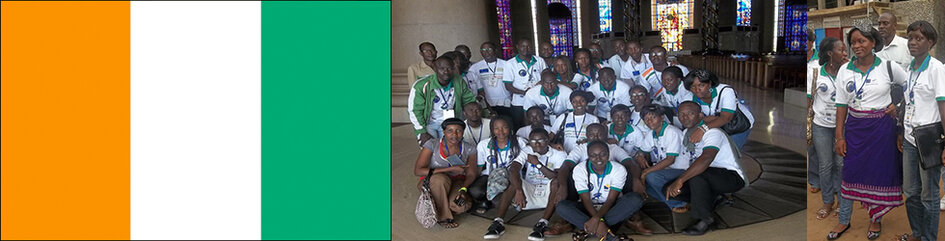
The Palais des Sport in Niamey, Niger was the venue where African youth leaders from Togo, Benin, Mali, Ivory Coast, Burkina Faso, Senegal and Niger officially adopted the African Youth Declaration for Road Safety.

YOURS drafted the declaration, in collaboration with the Francophone organizations in West Africa. It was officially accepted, ratified and adopted by the delegates today, signifying road safety action for Africa. The African Youth Declaration arises from THE CARAVANE project within the framework of the “Youth in Action” Programme of the DG Education & Culture of the European Commission.

This document will act as the advocacy arm of the Caravane project that will be initiated and begin its 50 day journey across the seven countries in Africa on the 15th October 2012. Delegates will hand over the declaration to road safety decision makers, road safety ministers, heads of state and key actors in making roads safer in Africa.

Content of the Declaration – What the African youth call for:

  • Create in collaboration with all stakeholders – including youth, a national plan for road safety that put people first. Appoint a lead agency which has leaders responsible for its implementation and coordination;
  • Enact and enforce road traffic laws on the use of seatbelts and helmets, set speed-limits, and a zero tolerance for alcohol– and drug use in traffic and boost your investment of financial resources to make safer roads;
  • Acknowledge the importance of the involvement of youth in road safety by: investing in the development of youth capacities, endorsing post-crash care for (young) road victims and their reinstatement in the African society, engaging with young people in decisions concerning road traffic policies during the Decade of Action for Road Safety 2011-2020;
  • Provide safe and affordable public transportation options. Protect drivers and passengers with the use of maintained buses, which are not overcrowded and which are regulated to ensure safety;
  • Invest in safe footpaths, cycle-ways and crossing points, on streets with lower speed limits, particularly around schools and provide resources to youth non-governmental organizations for road safety awareness programs among their peers.


Why do we need an African Delcaration for Road Safety?
Road traffic injuries are the leading cause of death among young people (15-29 year olds) and kills more young people than hiv/aids or malaria. The fatality rate per 100.000 population is for the African region 32.2, while the world average is 18.8 fatalities.

Road users most likely to be involved in a road crash are pedestrians, cyclists, motor cyclists, and passengers. Road crashes cost US$ 65 billion in low and middle-income countries, exceeding the total amount received in development assistance. Against this background, we the young people from Africa and potential victims of road traffic crashes stand up for each other and ourselves and we call upon the right to travel safely to attend school and go to work, visit friends and family.

Director of YOURS Floor Lieshout is handed a declaration in an official endorsement with Togo representative Otto Gunther

Casimir Migan from Benin said, ‘The launch of the Decade of Action for Road Safety last year was the first opportunity for us to meet the head of state to discuss road safety and put road safety on the agenda. Now this declaration will act as the second meeting opportunity to bring road safety to the attention of our decision makers with concrete requests for road safety action’.

Maferima Kone from Ivory Coast said, ‘This declaration will be pushed in the Ivory Coast and our organization will work hard to have this declaration signed by decision maker in Ivory Coast’.

Sauleymane Altine from Niger said,
 ‘This declaration is not just for the Francophone countries and we know that this declaration resonates with young people in the Anglophone countries in Africa, we are united in road safety to make a wider impact through Africa’.

Today, the Caravane project will be officially launched in Niamey and you can expect coverage and a video shortly.

The African Youth Declaration for Road Safety is available to download in English and French in the attachments and we urge youth in the whole of Africa to pick this up and use it! Urge your leaders to follow it’s messages and requests and lets make road safety a priority in Africa.

Counter Measures XIX takes place in November – Arrive Alive

Counter Measures XIX takes place in November – Arrive Alive

Next month (18-19 November 2012) a provincial conference will be held in Toronto, Canada entitled ‘Counter Measures’ and will mark it’s ninteenth assembly committed to reducing the human carnage caused by impared driving. This year, the conference takes an international theme and is geared toward international perspectives bringing extra focus to the Decade of Action for Road Safety and the World Day of Remembrance for Road Traffic Victims.

A Message from A.M. (Al) Reid – Arrive Alive
On behalf of arrive alive DRIVE SOBER® I take pleasure in inviting you to Ontario’s 19th Countermeasures Conference.

The bi-annual Countermeasures Conference is a provincial forum for experts and individuals committed to reducing the human carnage on our roads caused by impaired driving. International Perspectives was selected as the theme for this year’s conference to bring attention to the UN’s Global Decade of Action for Road Safety (2011-2020) and the World Day of Remembrance for Road Traffic Victims.

Countermeasures XIX begins on the World Day of Remembrance for Road Traffic Victims. The Sunday afternoon activities will still include a General Meeting of arrive alive DRIVE SOBER and an open session for front-line police officers hosted by Ontario Provincial Police. To honour the special day, Sunday afternoon and evening will include activities and a reception to commemorate and remember those whose lives have been lost or forever changed by impaired driving.

On Monday, November 19th we will feature two plenary workshops focusing on drugs and driving, international efforts, and ways to reach youth. We will host four breakout opportunities for more intense discussion on areas concerning: toxicological and scientific aspects of the issue, off-road vehicles including e-bikes, the reinstatement process, and how the media can help out with the cause.

On behalf of the Planning Committee and the arrive alive DRIVE SOBER Board of Directors, we look forward to seeing you at the conference. 

A.M. (Al) Reid – Arrive Alive

Youth Engaging Youth Workshop
On day two of the conference, YOURS will present to the conference on the progress made in the field of youth and road safety and combatting impaired driving across the world.

Impaired driving is the number one cause of death and injury for teens in Ontario. Globally, it is said that road crashes are the leading cause of death for young people from 10 – 24 years. The conference will find out what is being done here and around the world with updates from YOURS, OSAID, and Change the Conversation.

Anne Leonard, Exuctive Director of Arrive Alive told YOURS, “We want to gain insight into the international activities being carried out by YOURS – and to showcase our own work in a most meaningful way. Our conference aligns directly with the WDR, it seemed to be a great fit, and has facilitated the involvement of some higher profile road safety professionals.” 

Conference content will include:

  • UN Day of Remembrance for Drugs and Driving
  • Road Traffic Victims Commemoration
  • Reception and Formal dinner (Sunday)
  • Awards Luncheon (Monday)
  • International/Jurisdictional Strategies and Legislation
  • Reinstatement for Impaired Drivers Media and Social Media
  • Off Road Vehicles/Boating/E-bikes Young Drivers/Youth Engagement

This year the dates align directly with the WDR so the organizers have sculpted it to honour the day.  Additionally the conference will have a young lady who co-wrote, performed in, and created in the first video in the right column about texting and driving. She is an aboriginal singer in northern Ontario (Thunder Bay).

More information about the event can be found here.

Marking the World Day of Remembrance for Road Traffic Victims

Marking the World Day of Remembrance for Road Traffic Victims

Next month on the 18th November 2012, the world marks the internationally recognized day of remembrance for road traffic victims; The World Day of Remembrance. The day is marked through a range of activities to remember the victims of fatal road crashes. It also acts as reminder to us all that road safety is ever crucial in the name of these victims and move forward with motivation of reconciliation and road safety action.

‘Now is the time to learn from the past’
This is the topic for this years World Day of Remembrance for road traffic victims. The website www.wdor.org will be updated very soon with more information. We kindly ask all youth advocates for road safety to plan a small event to honour those who have lost their lives on the world’s roads. World Health Organization published a very useful guide with ideas and tips/tricks to organize a succesful event: Click here for the guide.

Each day, nearly 3,500 people die on the roads. Tens of thousands more are injured. Families are broken apart. The futures of young people are dashed. Road crashes have become the leading cause of death for people aged 15 to 29. This is an unacceptable price to pay for our mobility.

On this World Day of Remembrance for Road Traffic Victims, let us mobilize all possible contributions to improving road safety – from city planners to vehicle designers, from policy makers to road users.

Message of Mr Ban Ki-Moon, UN Secretary General, 2011
Today, on the World Day of Remembrance for Road Traffic Victims, we take pause to mourn the nearly 1.3 million people who lost their lives and the millions of others who were injured on the world’s roads this year.

Our thoughts go out to the families whose loved ones began their day like any other, never to return home. We wish them strength and courage as they struggle to come to terms with their loss.

This World Day of Remembrance will be marked in myriad ways around the world.

ERSC Contest 2012 – Do not leave it on the elderly – an article

ERSC Contest 2012 – Do not leave it on the elderly – an article

Recently the European Road Safety Charter finished its summer contest entitled, ‘Be a Road Safety Blogger’ calling on young people across Europe to submit a blog about road safety to craft a message targeting young people across Europe to engage them in road safety.  In this contest, our youth network member Mr Andrej Buday from Slovakia submitted an article of interest and we feature it on our site too.

Do not leave it on the elderly – Andrej Buday Jr (Slovakia)

Dear reader

Cars bring us progress and driving brings us freedom. And what could be better combination of these than being young and having the whole world full of options lying in front of you? Young people from different states of Europe travel today as much as they have never before. Driving and riding a motorbike on short or long distances is so natural for youth that they do not even think about danger and risks on the roads.

Unfortunately, many youngsters consciously hazard with their lives and the lives of others when they drive. Some overestimate their skills; others just have a lack of appropriate driving experiences. We all know what the major problems of moving young people on the roads are: drunk-driving, speeding, not wearing helmets… But rather than writing you some moralizing words about these topics, based on me I will tell you two simple reasons why and how you can start fighting against them.

First of all, similarly to many other young people, I was also looking for a way how to improve things around me. I believe that greatness of the man is not measured by the amount of money that one can earn or spend, but it is measure by how much one can give to the others. Becoming a volunteer in anything is a good option for everybody.

Andrej took part in our Embrace Life Campaign last year.

And secondly, if you like traveling and discovering new places, road safety is the best way how to get on the “ways”. Mobility and transportation is everywhere around us, so are problems and risk. Roads should be ways to exploration and great discoveries, not paths to destruction and death. High speed? Drunk driver? Texting and calling behind the wheel? React, contribute, take actions! It is that easy. Remember to be always polite and respect others. Direct involvement in road safety can have various forms, starting with helping in Red Cross first aid courses, over responsible parties in student organizations such as ESN, to looking after young Scout’s wolf-cubs wearing safety vests during their outdoor activities.

Now I am giving you a chance to consider what you would like to change. Changing a society by fighting wind mills on local or government level is a race on long-distances. But getting on the way of change with road safety involvement is very quick. Do not leave it on the elderly, make change by yourself ! Next time just try to warn somebody who has not fastened his safety belt. You will see the change straight away.

Sincerely yours 
Andrej Buday jr.