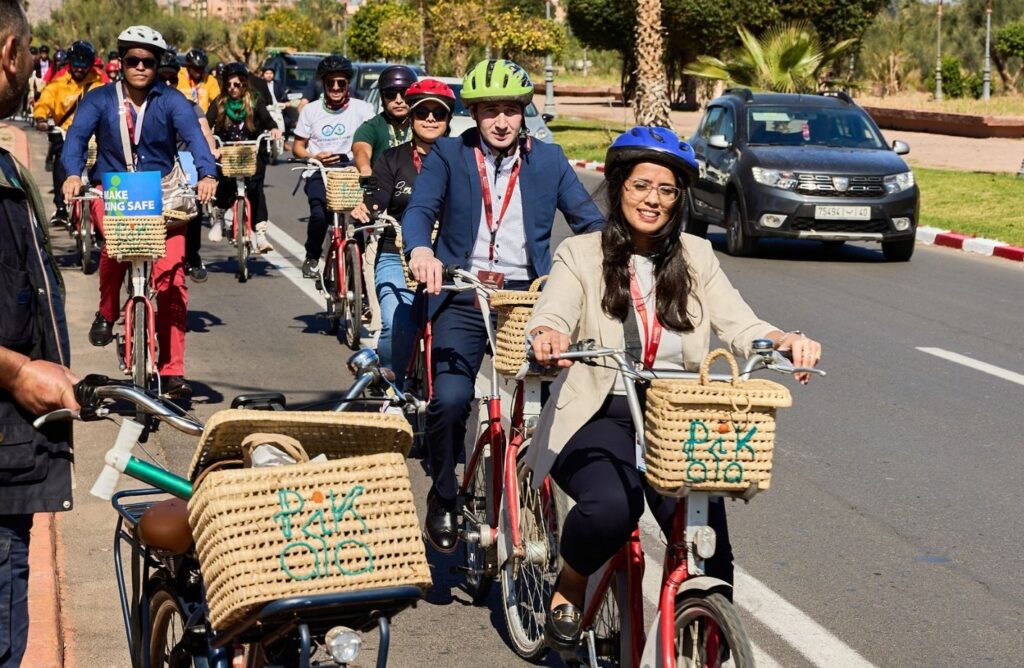
Road traffic crashes kill nearly 1.2 million people every year, with more than 90% of these deaths occurring in low- and middle-income countries. Young people are particularly affected, with road traffic injuries remaining the leading cause of death among children and young people aged 5–29.Changing this reality requires proven road safety solutions. But it also requires investing in the people who will carry this work forward. To help make this happen, YOURS – Youth for Road Safety is joining the Bloomberg Philanthropies Initiative for Global Road Safety (BIGRS), working alongside its partners to create new pathways for young people to build their road safety expertise, strengthen their leadership and contribute to making roads safer.
Through its 2026–2030 phase, BIGRS will support road safety action across cities, states and countries in low- and middle-income settings, addressing critical challenges including speed management, motorcycle safety, safer road design, enforcement and stronger road safety data.Through its collaboration with Bloomberg Philanthropiesand theextended BIGRS partners, YOURS will make a specific contribution to this global effort:upskilling and empowering the next generation of young leaders with the knowledge,expertise, and opportunities they need to play a meaningful role in road safety.
The ultimate goal of YOURS involvement is to support strengthening the connection between young people and the wider road safety ecosystem. The ambition goes beyond participation. It is about building a stronger pipeline of young people who understand the evidence behind effective road safety interventions, can bring the realities of their communities into road safety conversations, and have opportunities to turn their knowledge into action. They are the decision-makers, investors, and planners of tomorrow.
For over 16 years, YOURS has built strong expertise in youth advocacy, capacity development and meaningful youth engagement in road safety. Through its training programmes, global advocacy initiatives and youth-led projects, YOURS has supported young people in developing the knowledge, skills and opportunities to advocate for safer roads and drive change in their communities. This experience has positioned YOURS as a recognised voice in youth road safety, bringing a proven approach to youth leadership and participation into the wider BIGRS ecosystem.
Through the Global Youth Coalition for Road Safety, YOURS’ collaboration with BIGRS will connect young people more closely with the following areas of action:
Support building the next generation of road safety champions through an immersive training programme, in collaboration with Johns Hopkins University and the Global Road Safety Partnership (GRSP). The course will equip participants with the leadership, advocacy, and systems-thinking skills needed to challenge the status quo and help drive lasting change.
Youth-led local action programmes, enabling youth to transform their ideas, knowledge and solutions into tangible evidence-based projects.
In-country youth mobilisation efforts to support Vital Strategies’ awareness campaigns and grow the critical mass of youth engaged in safer road behaviours and practices.
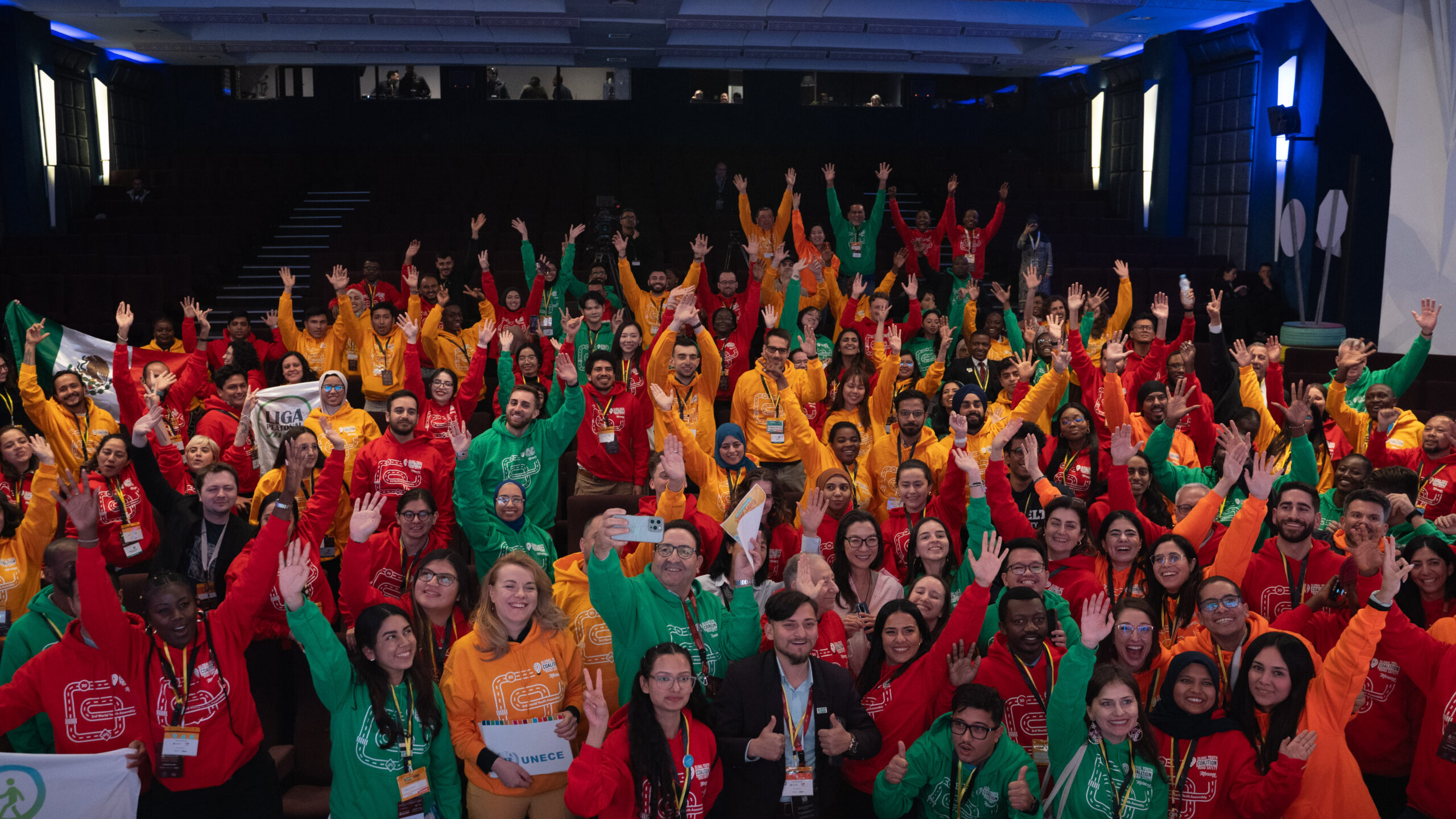
Continue expanding the global youth movement on road safety by engaging a community of practice with access to resources, capacity development, and advocacy opportunities.
Vital Strategiesworks across BIGRS to support governments and partners in turning road safety evidence into action. Through this collaboration, YOURS will help create stronger connections between this global expertise and young people, opening opportunities for youth perspectives and leadership to contribute to road safety efforts in different contexts.
At the same time, YOURS is working with the Global Road Safety Partnership (GRSP) and Johns Hopkins University on another important part of the BIGRS leadership pipeline: strengthening the technical road safety knowledge of young professionals.With funding from BIGRS, GRSP and Johns Hopkins University already deliver a best-in-class suite of global road safety leadership courses.
As part of a new phase beginning in 2026, this work is expanding with a new course specifically designed for young professionals from low- and middle-income countries. YOURS is contributing its expertise in youth engagement and learning to help shape and co-deliver the programme.By bringing together GRSP and Johns Hopkins University’s technical road safety expertise with YOURS’ experience working with young people, this collaboration can help equip a new generation with the foundations to contribute to road safety today and become part of its future leadership.Taken together, these collaborations represent something bigger than individual programmes.
They create distinct yet connected pathways for young people within BIGRS: opportunities to learn from global road safety expertise, connect with a broader road safety community, bring their perspectives to the conversation, and translate their knowledge into action in their own contexts.For YOURS, this is the real opportunity of contributing to the BIGRS ecosystem.
Youth participation should not sit alongside road safety as a separate agenda. Young people have the knowledge, skills and opportunities to become part of road safety itself — contributing today while building the experience to become the practitioners, advocates and decision-makers who will carry this work forward.As this new phase begins, YOURS will work across the BIGRS ecosystem to connect global road safety expertise with a generation ready to learn, contribute and lead. Because young people should not only inherit safer roads. They should have a meaningful role in creating them.
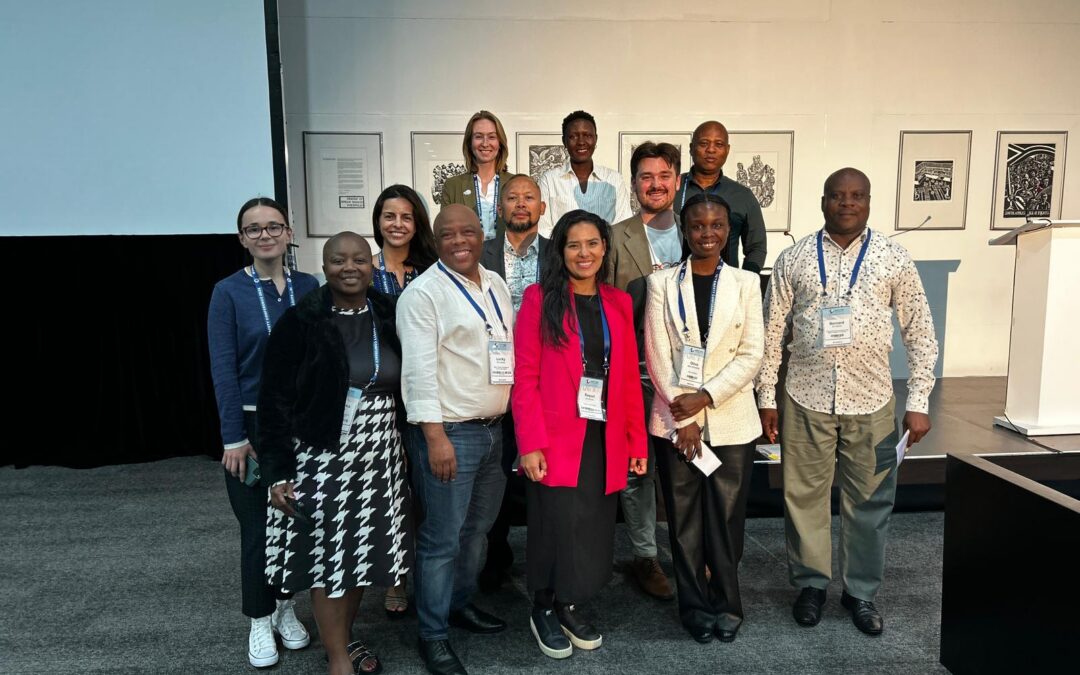
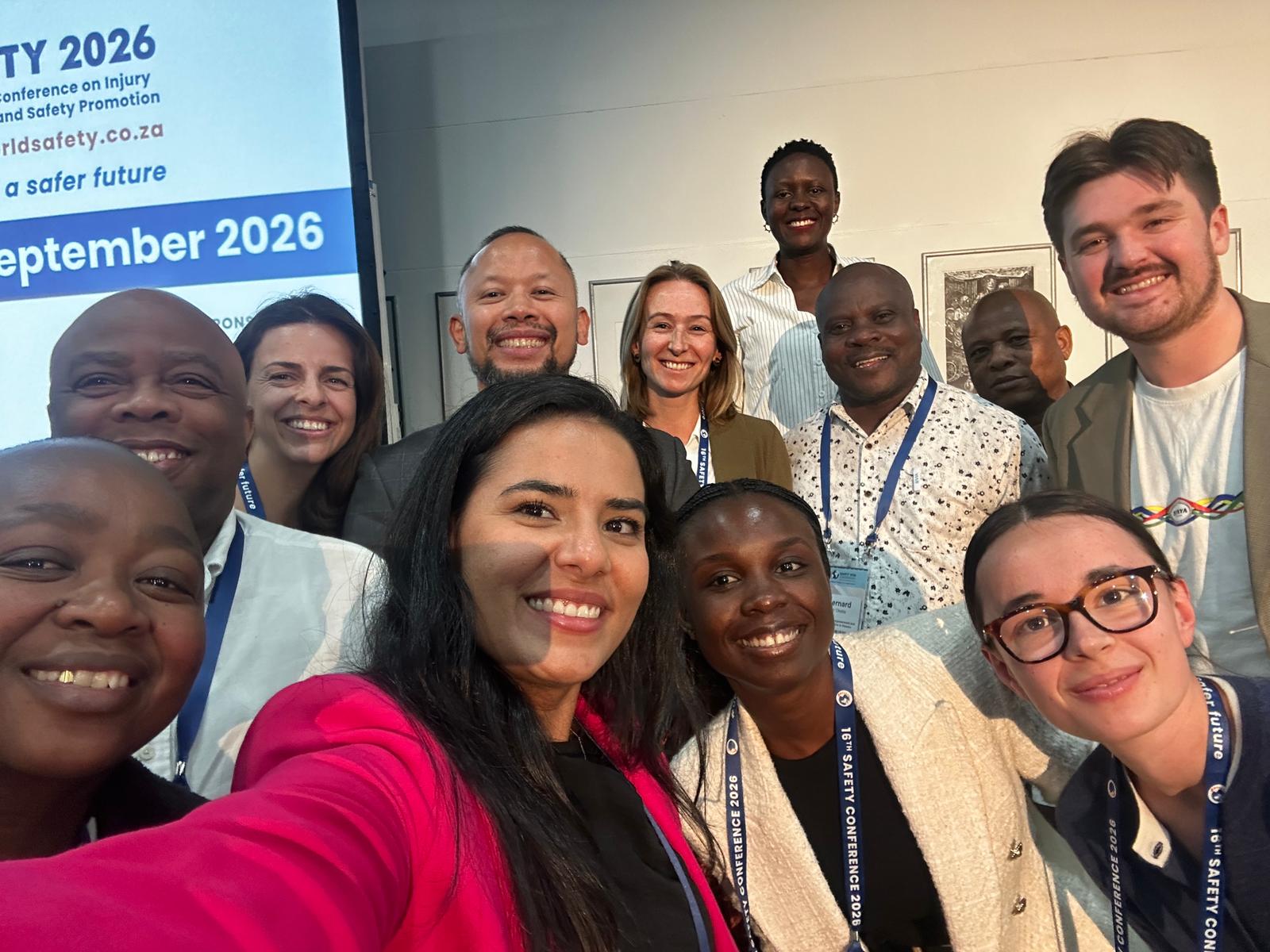
At Safety 2026 in Cape Town, YOURS brought youth-led experiences, practical advocacy tools and evidence of impact to global discussions on building safer mobility systems.
Young people around the world are already identifying mobility challenges and developing solutions in their communities. But turning these efforts into lasting change requires more than enthusiasm. It requires meaningful participation, stronger partnerships and sustained investment.
This was a central message of YOURS’ participation at Safety 2026 in Cape Town, South Africa, where global experts, researchers and practitioners gathered to exchange knowledge and approaches to injury prevention and safety.
Together with the Global Infrastructure Basel Foundation (GIB), YOURS hosted a satellite session exploring how youth-led urban safety initiatives can contribute to wider systems change. The conversation examined what it takes to move beyond consultation and create genuine opportunities for young people to influence city-level decisions.
From power-sharing with young leaders to building long-term partnerships and mobilising investment, the discussion reinforced the importance of creating environments where youth-led solutions can grow beyond individual projects.
YOURS also presented Changing Lanes: Youth Driving the Movement for Safer Mobility, a practical advocacy toolkit designed to help young people translate their ideas into evidence-based strategies. Through stakeholder mapping, advocacy planning and engagement with decision-makers, the toolkit offers young advocates practical guidance to influence mobility policies and programmes.
Beyond the conversations and tools, Safety 2026 was an opportunity to highlight the reach of youth-led action supported by YOURS. Since 2020, these initiatives have extended across 26 countries, directly engaging more than 110,000 people and indirectly reaching over 2.7 million.
These results reflect what young people can achieve when their local knowledge and leadership are supported with resources and opportunities to act. They also point to the importance of strengthening connections between community-led initiatives and the institutions capable of supporting broader change.
As YOURS advances its 2026–2030 Strategy, the discussions in Cape Town reinforced a clear direction: young people are already developing solutions for safer mobility. The next step is ensuring they have the investment, partnerships and decision-making power to take those solutions further.
How can an initial investment in youth-led action create opportunities for greater impact? In Ecuador, Michelle Gaibor and Fundación MOVIDANA are showing how local experience can open doors to new funding and take young people’s solutions further.
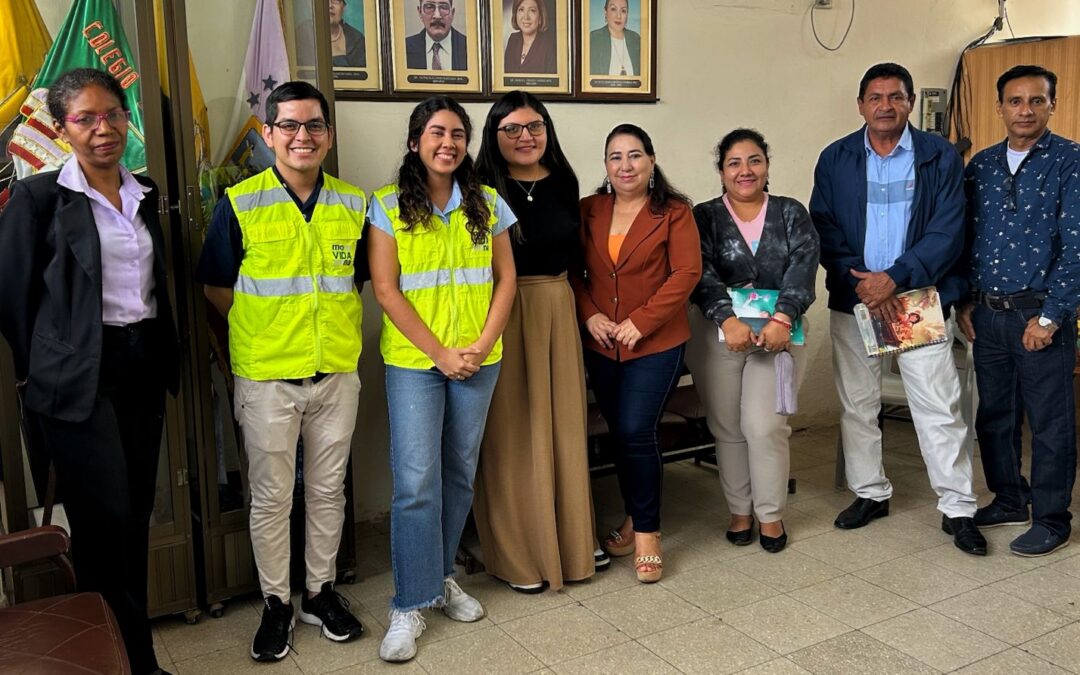
In 2025, Michelle Gaibor and Fundación MOVIDANA were selected through YOURS’ Local Actions programme to implement Zonas J, a youth-led initiative working with adolescents to identify road safety and citizen security risks in and around their schools in Ecuador.
The approach was simple but meaningful: rather than assuming what young people needed, Zonas J created opportunities for adolescents to assess their own environments, identify the challenges affecting their daily lives and contribute to solutions.
Led locally by young members of Fundación MOVIDANA’s National Network of Youth Road Safety Champions, the initiative built on an earlier connection with YOURS. The network itself had been selected through the Local Actions 2024 call, creating a pathway for young leaders to continue developing their ideas.
Building the foundations for something bigger
Through Zonas J, Michelle and her team gained practical experience testing a participatory approach to improving safety around schools. The pilot generated learning that helped lay the groundwork for an expanded proposal.
Building on that experience, Fundación MOVIDANA developed Zonas J Impacto 3S, a model that brings together three interconnected dimensions:
Seguridad Vial: Road safety
Seguridad Ciudadana: Citizen security
Salud Mental: Mental health and emotional wellbeing
The expanded approach recognises that young people’s safety and wellbeing are shaped by more than one factor. The streets surrounding schools, the security of public spaces and the environments adolescents experience every day all contribute to their quality of life.
Through participatory assessments, adolescents and school communities will identify risks and needs in their environments. These findings will inform urban interventions designed to create safer, more welcoming and more vibrant spaces.
What began as a locally tested idea now has the potential to reach many more young people.
Mobilising new investment for youth-led solutions
Fundación MOVIDANA secured CAD 250,000 in new funding through Being, an international mental health initiative hosted by Grand Challenges Canada, to implement Zonas J Impacto 3S across six Ecuadorian cities: Machala, Salinas, Daule, Esmeraldas, Cuenca and Quito.
Running from June 2026 to November 2027, the expanded project will generate evidence on how improvements to school environments can contribute to road safety, citizen security and adolescent wellbeing, while exploring opportunities for replication and scale.
For Michelle and her team, this investment creates an opportunity to take their work beyond the initial pilot and strengthen a model rooted in young people’s experiences.
For YOURS, it also demonstrates the potential multiplier effect of investing in youth-led action.
An initial investment can help young leaders test ideas, build experience, generate evidence and develop stronger proposals that attract further resources.
The CAD 250,000 secured for Zonas J Impacto 3S represents a concrete example of how early support for youth-led initiatives can contribute to mobilising additional investment towards solutions developed by young people themselves.
When one opportunity creates the next
Michelle’s journey reflects a progression built through successive opportunities. In 2024, Fundación MOVIDANA’s National Network of Youth Road Safety Champions was selected through YOURS’ Local Actions programme.
In 2025, young members of that network took their work further through Zonas J, with Michelle leading the initiative. Today, Michelle continues as project lead for Zonas J Impacto 3S, taking the model into a new phase supported by additional funding.
From strengthening youth leadership to testing local solutions, building evidence and attracting new investment, each step has helped create the foundations for the next.
This is part of the value YOURS seeks to create through its work: not only directing resources towards youth-led initiatives, but helping build the conditions for young people to access further opportunities, attract investment and expand their solutions.
As Zonas J Impacto 3S moves forward across Ecuador, Michelle’s journey offers an example of what becomes possible when young people have the resources and opportunities to turn their ideas into action.
YOURS’ 2026-2030 Strategy opens the door to a broader way of thinking about road safety and the mobility systems young people experience every day. Safety remains at the heart of YOURS’ mission, but making mobility truly safe also means looking beyond crashes. It means thinking about the cities and streets people move through, whether transport is accessible and affordable, how mobility affects the climate and people’s health, and whether young people have a meaningful role in the decisions that shape these systems.
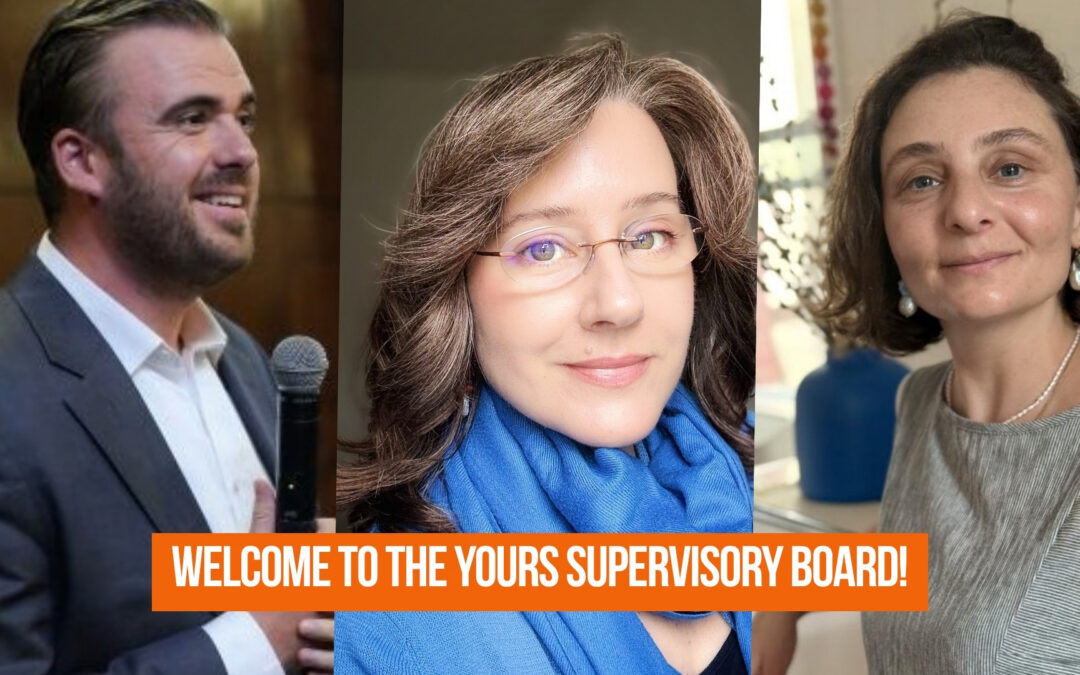
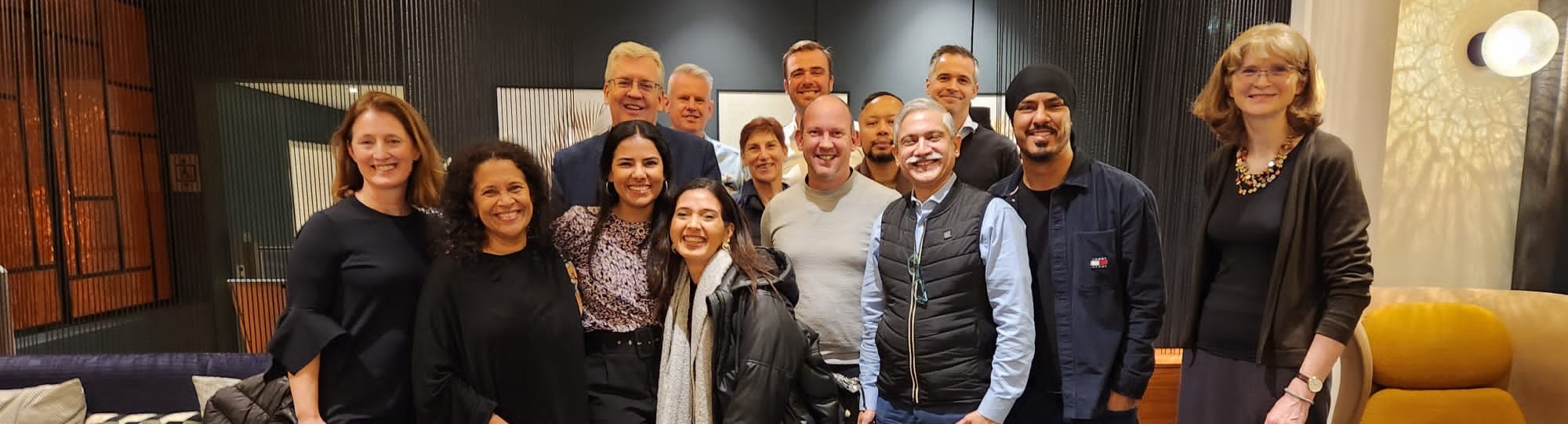
As YOURS begins turning this vision into action with Dr Jagnoor as Chair of the Supervisory Board, new perspectives are also joining the conversation. Blaise Murphet, Maruxa Cardama and Nino Paichadze join the Supervisory Board with professional journeys spanning global road safety, sustainable transport, public health, research, urban development and policy. Three different journeys, bringing new perspectives to the same table.
Connecting global experience with local change
Blaise Murphet is a global safe and sustainable mobility consultant with experience in 40+ countries, advising governments and major organisations such as the Asian Development Bank and the FIA. He holds a master’s from the University of Melbourne, is an Honorary Fellow at The George Institute for Global Health, and is a three-time recipient of the Prince Michael International Road Safety Awards.
Working across so many contexts brings an understanding that there is no single formula for change. Global ambition needs to translate into action that responds to different communities and realities. That experience connects with YOURS’ “glocal” approach: scaling knowledge and advocacy globally while remaining rooted in regional and community-level expertise and the lived experiences of young people. Blaise brings that global-local perspective to the Board as YOURS continues working to turn ambitious ideas into meaningful change on the ground.
Seeing mobility as part of a bigger system
Driven by social and environmental justice, Maruxa has dedicated nearly 25 years to advancing inclusive and sustainable transport and urban development. She served as Secretary General of SLOCAT, founded the Communitas Coalition for the SDG on cities, and held senior roles across global NGOs, multilateral organisations, and public administration, alongside chairing the 68th United Nations Civil Society Conference. Maruxa also serves in the boards of the Global Network for Popular Transportation, and the Climate Compatible Growth programme.
Her experience reflects an idea that is increasingly important to YOURS: mobility does not exist in isolation.
How people move is connected to how cities are designed, whether people can access opportunities, the health of communities, social and environmental justice, and the future of the planet. As YOURS brings these connections more deliberately into its work, Maruxa adds a perspective shaped by years of working across them and bringing different sectors together around sustainable development.
Bringing evidence and public health into the picture
Nino Paichadze joins the Supervisory Board with nearly two decades of academic and professional experience across medicine and public health. She is Associate Research Professor in the Department of Global Health and Director of the Center on Commercial Determinants of Health at the Milken Institute School of Public Health at George Washington University.
Her research spans non-communicable diseases and their risk factors, commercial determinants of health, trauma and injury prevention, and research and training capacity development in low- and middle-income countries. Her work has also explored data-driven responses to public health challenges and the use of mobile technologies to strengthen the ways data is gathered, shared, and used.
That public health and research perspective brings another important lens to YOURS’ evolving agenda. Evidence-based action is one of the principles guiding the 2026–2030 Strategy, alongside innovation, meaningful participation, youth-driven leadership and collaboration across sectors. Nino’s experience strengthens the connections between evidence, injury prevention, health and the systemic changes needed to make mobility safer for young people.
Different expertise, one shared direction
Blaise, Maruxa and Nino arrive at the Supervisory Board with different careers, experiences and ways of looking at mobility. Together, those perspectives reflect the increasingly interconnected way YOURS approaches its work across road safety, sustainable development, public health, cities, evidence, and policy.
Building mobility systems that are safe, sustainable, equitable and clean cannot happen through a single discipline, sector or perspective alone. But as the agenda expands, one thing remains firmly at the centre: young people. The 2026–2030 Strategy calls for young people’s experiences, ideas and expertise to shape programmes and policy, with young people participating as equal stakeholders in the decisions that affect their mobility.
The role of the Supervisory Board is to help create the conditions for that ambition to grow, bringing experience, guidance, and diverse perspectives while keeping youth leadership at the heart of YOURS’ direction.
Welcome, Blaise Murphet, Maruxa Cardama and Nino Paichadze to the YOURS Supervisory Board. As YOURS steps further into its 2026–2030 chapter, we look forward to bringing these new perspectives into the journey ahead.
Every chapter in YOURS’ journey has been shaped by the people who believe in its mission, challenge its thinking and champion youth leadership.
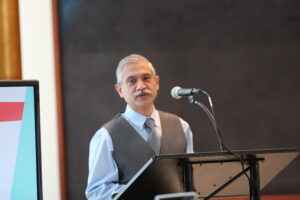
After ten years as Chair of the Supervisory Board, Dr Adnan Hyder is stepping down, alongside Shanthi Ameratunga, who concludes seven years of service. As YOURS celebrates their contributions and welcomes Dr Jagnoor Jagnoor as the new Chair, this moment offers an opportunity to reflect on the people and ideas that have shaped the organisation.
With the YOURS Strategy 2026–2030 now underway, their legacy remains an important part of the foundation on which the organisation will continue to build, keeping young people at the heart of its vision for safer, more sustainable and inclusive mobility.
A decade of leadership, curiosity and change
During his ten years as Chair, Dr Adnan Hyder has accompanied YOURS through significant growth and through a period in which the global conversation around road safety has also evolved. In his reflections, he describes a field that has gradually moved beyond focusing only on crashes to recognising the wider social, economic, cultural, political and commercial factors that shape road safety. He also points to the growing importance of better data, innovation and new technologies.
But throughout that evolution, one idea has remained particularly important to him: the value of young people questioning the way things have always been done. Reflecting on his decade with YOURS and what he hopes comes next, Adnan said:
“Over a decade of supporting YOURS, I am most proud of how the first (Floor) and second (Raquel) EDs have led the organisation. Both EDs have demonstrated the talent, maturity, and engagement of younger leaders and the importance of their taking charge, especially in a mission that is about youth. We need a constant curiosity, questioning of norms and standards, and testing of existing policies and practices, and the best group to present such challenges is young people.”
That belief in younger leadership also shapes his hopes for the future. Dr Adnan sees an opportunity for YOURS to keep looking beyond traditional boundaries of road safety, connecting its work with environmental sustainability, health, safer mobility and the broader factors that influence young people’s lives.
Seven years of championing youth leadership
During her seven years on the Supervisory Board, Shanthi Ameratunga has witnessed YOURS grow in scale and influence, alongside an important shift in how young people are recognised across the road safety movement: not simply as beneficiaries of policies, but as leaders shaping solutions.
Reflecting on this evolution, Shanthi shared: “One of the most significant changes I have seen is the growing recognition that young people are not just beneficiaries of road safety policies, but essential partners in designing and implementing solutions. They bring a unique combination of lived experience, innovation, relentless optimism, and an acute sense of urgency to efforts. This is priceless.”
This belief also shapes her hopes for YOURS’ next chapter: that young people continue to be recognised as “indispensable leaders of today”, with meaningful roles in the spaces where decisions are made.
As she concludes her time on the Board, Shanthi’s reflections extend beyond youth leadership to the people who make it possible. With “Ngā mihi nui ki a koutou”, warmest greetings and thanks in te reo Māori, the Indigenous language of Aotearoa New Zealand, she expressed her gratitude to fellow Board members, partners, funders and organisations supporting YOURS.
Her final words were dedicated to Raquel, the YOURS team and youth champions working across the globe: “Kia kaha, kia māia, kia manawanui!” Be strong, be brave, be steadfast.
Building on the foundation
The leadership of Adnan and Shanthi has helped shape YOURS into the organisation it is today. As Dr Jagnoor Jagnoor takes on the role of Chair of the Supervisory Board, she brings extensive international experience in public health, injury prevention and research that translates into meaningful change.
Her work spans Australia, Africa and Asia, with a particular focus on understanding how injuries disproportionately affect vulnerable populations and developing solutions that respond to their needs. Through her research, Jagnoor has explored road safety, injury prevention, rehabilitation and health systems, working closely with communities, governments and researchers to translate evidence into practical interventions and public policies.
This combination of scientific expertise, commitment to equity and experience connecting research with action brings an important perspective to YOURS. As the organisation advances its 2026–2030 Strategy, Jagnoor’s experience will contribute to its vision of safer, more sustainable and inclusive mobility, with young people meaningfully involved in shaping the decisions that affect their lives. Reflecting on her new role, Jagnoor shared:
“YOURS has been shaped by remarkable vision and leadership from Adnan Hyder and Shanthi. I’m honoured to take on the role of Chair of the Supervisory Board and to help build on that foundation, keeping young people at the heart of the road safety movement and empowering the next generation to lead.”
As YOURS looks ahead, the contributions of Adnan and Shanthi will continue to shape its journey. Their legacy lives on through the organisation they helped build and the young leaders whose voices they have championed.
Thank you, Dr Adnan Hyder and Shanthi Ameratunga, for your leadership, commitment and contributions to YOURS. And welcome, Dr Jagnoor Jagnoor, as we continue this journey together.
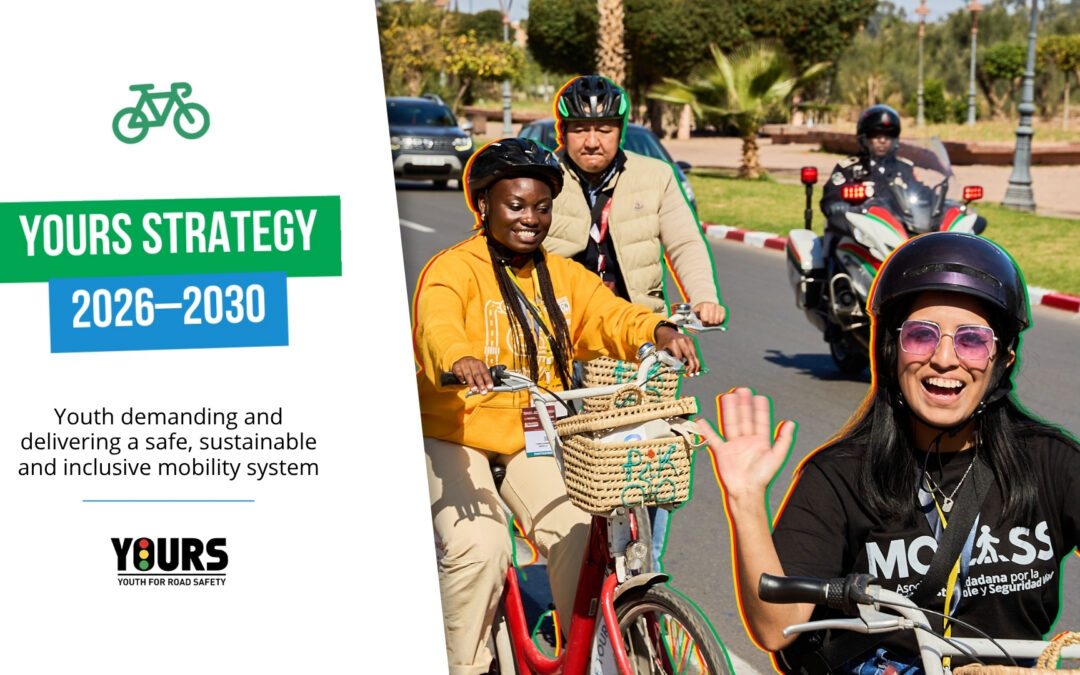
Young people deserve to move through their communities safely, confidently and without barriers. That belief has guided YOURS since 2009. Today, it remains at the heart of our next chapter. We are launching the YOURS Strategy 2026–2030: Youth demanding and delivering a safe, sustainable and inclusive mobility system.
Building on more than 15 years of youth-led road safety action, the strategy marks an important evolution in how YOURS works: moving beyond road safety as a standalone issue towards a broader vision that connects road safety with sustainability, equity and climate action. It also strengthens the role of young people as professionals, leaders and decision-makers shaping the systems they will inherit.
This is not a departure from who we are. It builds on more than 15 years of experience, during which YOURS has trained 16,972 young people, coached 2,766 youth leaders, reached nearly 120,000 people and influenced 17 governments to adopt concrete policy and legislative reforms.
There is no sustainability without safety
Over those years, one thing has become increasingly clear: mobility is about much more than getting from one place to another. It shapes whether young people can access education, employment, healthcare and opportunity. It influences the design of cities, social equity, public health and the transition towards lower-carbon futures. And the decisions made in each of these areas affect how safely people move.
These challenges cannot be addressed in isolation. Safety remains our foundation, but not our ceiling. Our next chapter is about bringing road safety into these wider conversations and ensuring young people have a meaningful role in shaping them.
At the centre of this vision is our Goal for 2030: To contribute towards reducing at least 50% of youth deaths and severe injuries due to road traffic crashes globally by making mobility systems safe, sustainable and inclusive, with meaningful youth engagement at all levels and stages of decision-making.
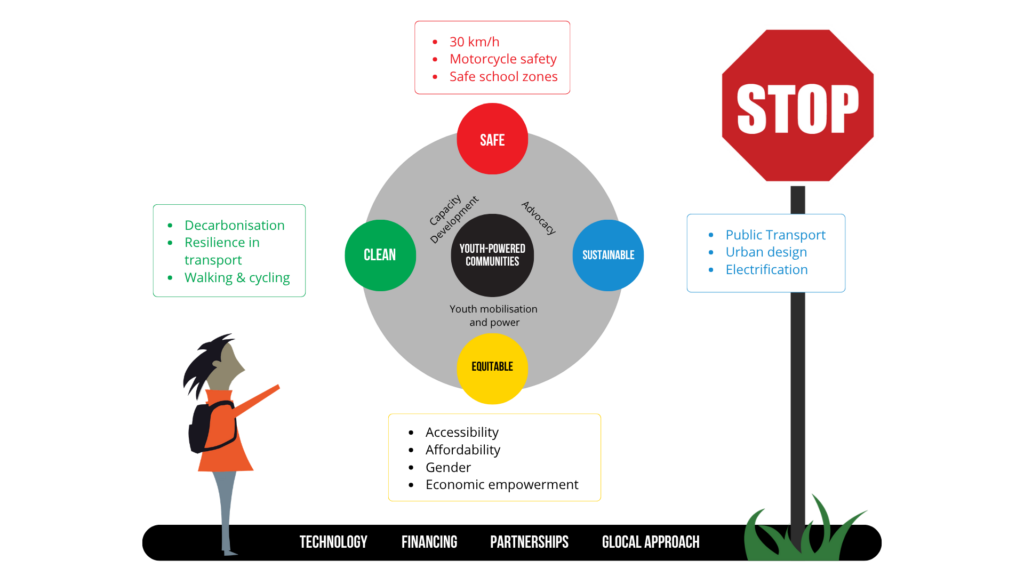
Strategy 2026–2030 translates this evolution into four interconnected Strategic Priorities, with youth-powered communities at the centre:
These are not separate agendas. Together, they show how road safety connects with sustainability, equity and climate action, with young people helping to shape the mobility systems they will inherit.
Across these priorities, YOURS works through Advocacy, Capacity Development and Youth Mobilisation and Power to turn youth leadership into influence, skills and
collective action. Lasting change, however, requires the right conditions. This means connecting global ambition with locally led action, harnessing technology to expand access and collaboration, mobilising financing for road safety and youth-led mobility solutions, and building partnerships that combine youth vision with technical expertise.
Underpinning all of this is meaningful youth participation, ensuring young people contribute throughout policy design, implementation, monitoring and accountability. This is where YOURS brings its distinctive expertise: creating the pathways for young people’s lived experience, knowledge and ideas to become part of evidence-based solutions.
The next chapter starts now
The decisions made about transport today will shape how an entire generation lives, works and moves tomorrow. As the UN Decade of Sustainable Transport begins and the world moves towards 2030, there is an opportunity to bring road safety, sustainable mobility and youth leadership closer together.
Our scope is evolving and our partnerships are expanding, but the principle that has guided YOURS from the beginning remains the same: