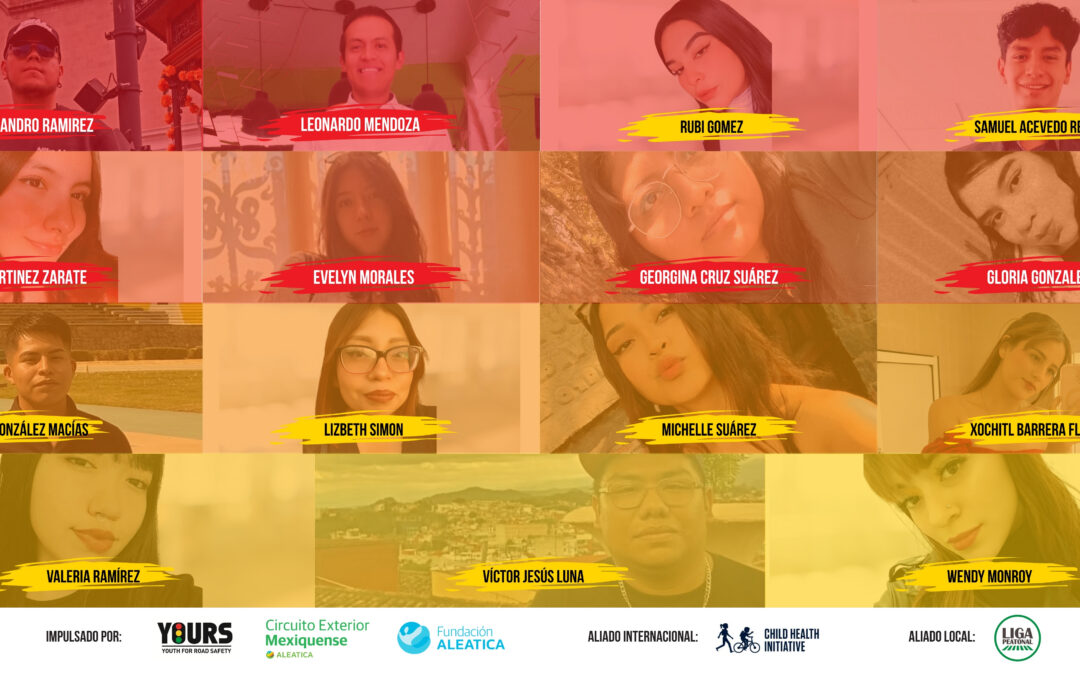
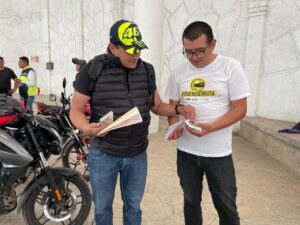
Jóvenes del municipio de Chimalhuacán, Estado de México, han sido seleccionados para participar en un programa que busca formar a nuevas generaciones de líderes comprometidos con promover una movilidad más segura en sus comunidades.
El programa cuenta con el respaldo de Fundación Aleatica y se desarrolla en colaboración con YOURS (Youth for Road Safety), con la participación de la Liga Peatonal y el Circuito Exterior Mexiquense como aliados estratégicos, en el marco de la Child Health Initiative de FIA Foundation.
“En México, los siniestros viales son una de las principales causas de fatalidades entre jóvenes. Ante este desafío, el programa apuesta por la participación activa de las juventudes de nuestras comunidades vecinas como protagonistas del cambio”, comentó Santiago Reyes, Director Comercial del Circuito Exterior Mexiquense.
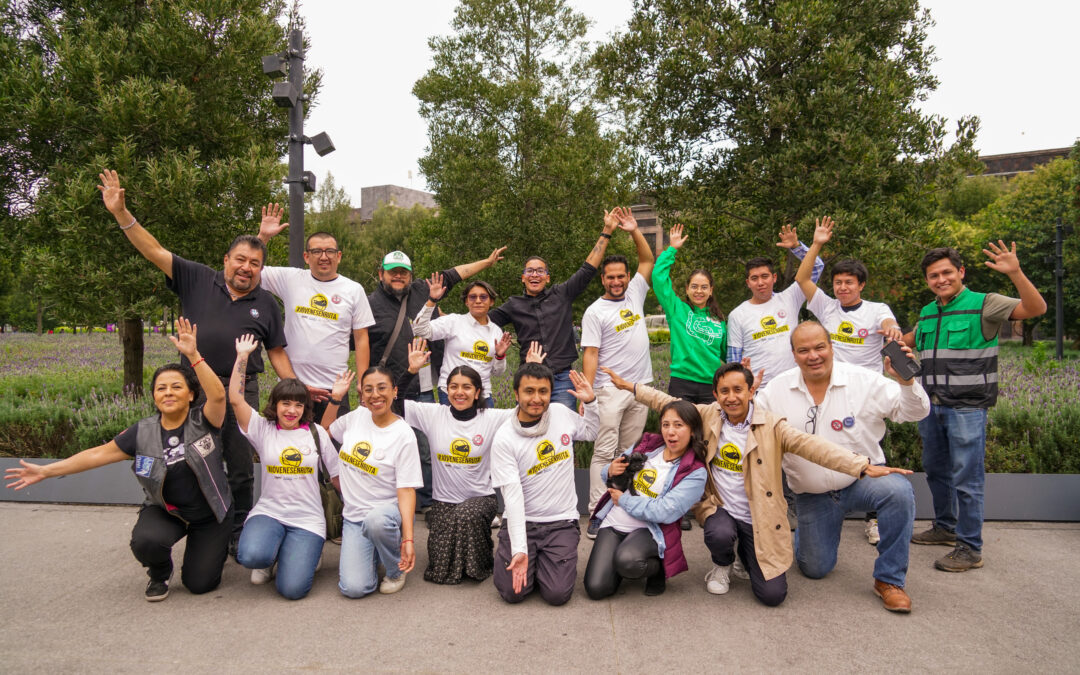
El proceso comenzó oficialmente con una sesión de orientación, en la que los jóvenes pudieron conocerse, explorar los objetivos del programa y reflexionar sobre su rol como agentes de cambio para fomentar la seguridad vial entre sus pares.
Para el equipo de YOURS, esta experiencia representa mucho más que un proceso formativo. Como explicó Daniela Gómez, Senior Capacity Development Manager de YOURS: “Participar en este programa es una decisión que impactará positivamente la vida de estos jóvenes. No solo les brindará herramientas prácticas para sus vidas profesionales, sino que también les dará la oportunidad de transformar su comunidad.”
La primera capacitación del programa se llevó a cabo el sábado 14 de marzo, con una sesión dedicada a comprender la dimensión de la seguridad vial tanto a nivel local como global. Durante la reunión, los jóvenes exploraron datos clave sobre los siniestros viales, reflexionaron sobre cómo esta problemática afecta a sus comunidades y conocieron ejemplos de acciones concretas para contribuir a mejorar la seguridad vial en el país.
Además de analizar información y evidencia, el objetivo de este primer encuentro fue ayudar a los integrantes a conectar con la realidad del problema y reconocer su capacidad para generar cambios positivos en su entorno.
Para muchos de ellos, el programa representa una oportunidad invaluable para aprender y adquirir herramientas que, posteriormente, podrán replicar con miles de jóvenes estudiantes.
“Estoy aquí porque me interesa aprender sobre seguridad vial y adquirir herramientas para generar conciencia en mi comunidad, especialmente entre jóvenes”, comentó uno de los participantes.
Otra joven explicó que su motivación también nace de una preocupación cercana a su realidad cotidiana: “Estoy interesada en aprender más sobre seguridad vial para ayudar a mis amigos y amigas que usan constantemente motocicletas y automóviles.”
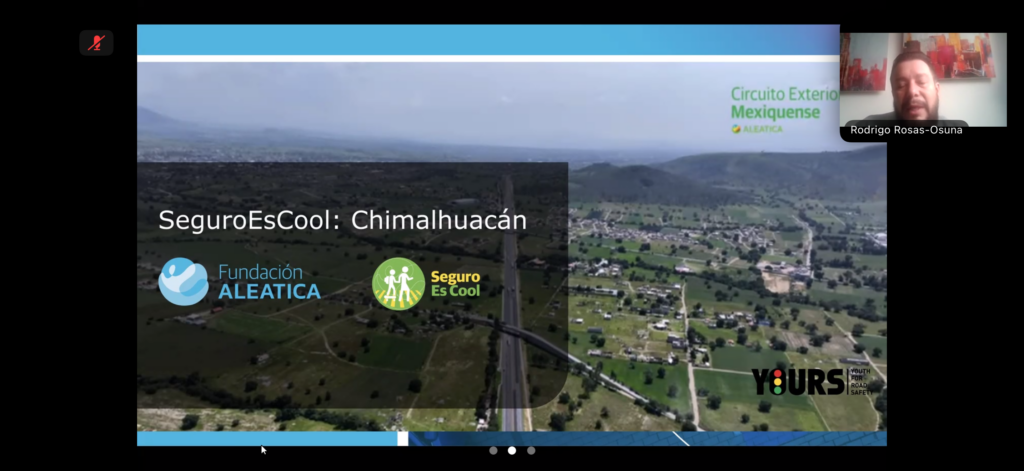
Durante la sesión de apertura, el Dr. Rodrigo Rosas Osuna,especialista en seguridad vial de Fundación Aleatica, recordó la urgencia de actuar frente a esta problemática.
“Hoy 45 personas perderán la vida en México, y muchas de ellas tienen sus mismas edades. Por eso no estamos aquí únicamente para hablar de seguridad vial, sino de cómo ustedes pueden ayudar a cambiar esta historia.”
En los próximos meses, los participantes continuarán su proceso de formación a través de capacitaciones, actividades prácticas y espacios de reflexión orientados a fortalecer su liderazgo e incidencia.
Con esta primera generación, se demuestra que los jóvenes tienen interés y pueden ser protagonistas en la construcción de entornos más seguros para contribuir activamente a transformar la realidad de la seguridad vial en México.
“Estamos seguros de que con alianzas como estas, tendremos participación activa de las juventudes para llegar a más jóvenes y estudiantes comprometidos con salvar vidas”, comentó Fernanda Espinosa, Directora de Fundación Aleatica.
En México, los siniestros viales siguen siendo una de las principales causas de muerte entre los jóvenes. Esta realidad plantea la necesidad de impulsar respuestas que no solo informen, sino que generen cambios sostenidos desde los territorios y con la participación activa de las juventudes.
En este contexto, YOURS y Fundación Aleatica anuncian una nueva fase de colaboración para fortalecer Seguro Es Cool, un programa dirigido a jóvenes de entre 18 y 25 años de Chimalhuacán, Estado de México, que busca promover una movilidad más segura desde una mirada juvenil, comunitaria y práctica; abriendo espacios con la campaña de #NoTeHagas. Esta etapa del proyecto se desarrolla en alianza con Liga Peatonal, aliado local clave con amplia experiencia en seguridad vial y trabajo comunitario en el territorio.
Seguro Es Cool da continuidad al trabajo que Fundación Aleatica ha venido impulsando en Chimalhuacán y se fortalece en esta nueva fase con el enfoque y la experiencia de YOURS en participación juvenil significativa y seguridad vial. El programa combina un currículo en seguridad vial con énfasis en el uso de seguro de motocicletas, un enfoque basado en las realidades y necesidades locales, y el fortalecimiento de capacidades de liderazgo y facilitación juvenil, apostando por un modelo de aprendizaje en efecto cascada.
Como parte de esta fase, el proyecto tiene como meta formar a 15 jóvenes facilitadores, quienes recibirán formación remunerada a través de sesiones virtuales y presenciales. Estos jóvenes liderarán talleres en escuelas de nivel preparatoria, con el objetivo de capacitar a aproximadamente 2,000 estudiantes, generando un impacto directo entre pares. A su vez, el programa contempla una estrategia de involucramiento y movilización comunitaria a través de una campaña digital, con la que se espera sensibilizar a alrededor de 20,000 personas en el municipio.
“Promover que el derecho a la movilidad en condiciones de seguridad vial sea una realidad para todas las personas”
Fernanda Espinosa Directora de Fundación Aleatica
Desde la perspectiva de YOURS, Seguro Es Cool refuerza la idea de que las juventudes deben ser protagonistas del cambio. El programa reconoce su capacidad para liderar procesos de concientización, construir redes locales y promover una cultura de movilidad más segura entre pares.
“Desde YOURS, creemos profundamente en el poder transformador de la juventud. Esta alianza con Fundación Aleatica marca un paso decisivo para fortalecer las capacidades de los y las jóvenes en el Estado de México, brindándoles las herramientas necesarias para liderar cambios reales en la seguridad vial y en el uso responsable de las motocicletas. Cuando la juventud comprende su realidad, tiene la capacidad de participar activamente en el diseño de políticas públicas y, por ende, las soluciones se vuelven más justas, más efectivas y verdaderamente representativas de sus necesidades. Estamos orgullosos de iniciar este camino conjunto y de impulsar una generación que no solo imagina un futuro más seguro, sino que también lo construye”.
La convocatoria para participar en Seguro Es Cool está abierta hasta el domingo 22 de febrero. Está dirigida a jóvenes de 18 a 25 años que vivan, estudien o trabajen en Chimalhuacán. Si estás interesado o interesada en participar, o si conoces alguna organización, colectivo o comunidad juvenil a la que esta oportunidad pueda interesarle, puedes compartir la convocatoria y aplicar a través del siguiente enlace: https://claimingourspace.typeform.com/SeguroEsCool
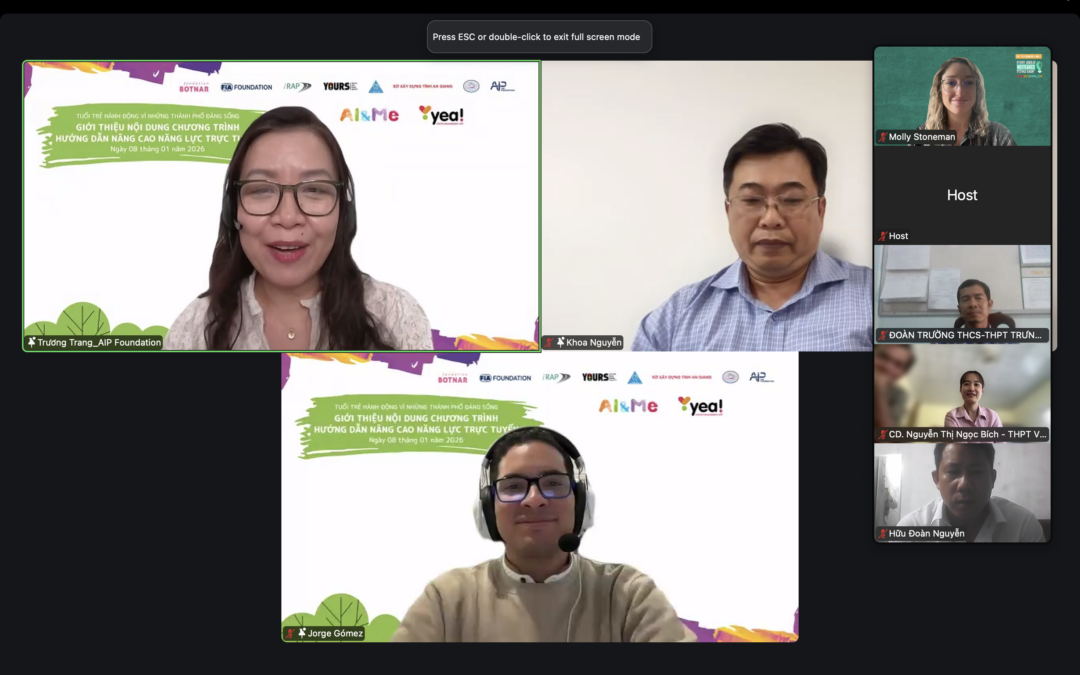
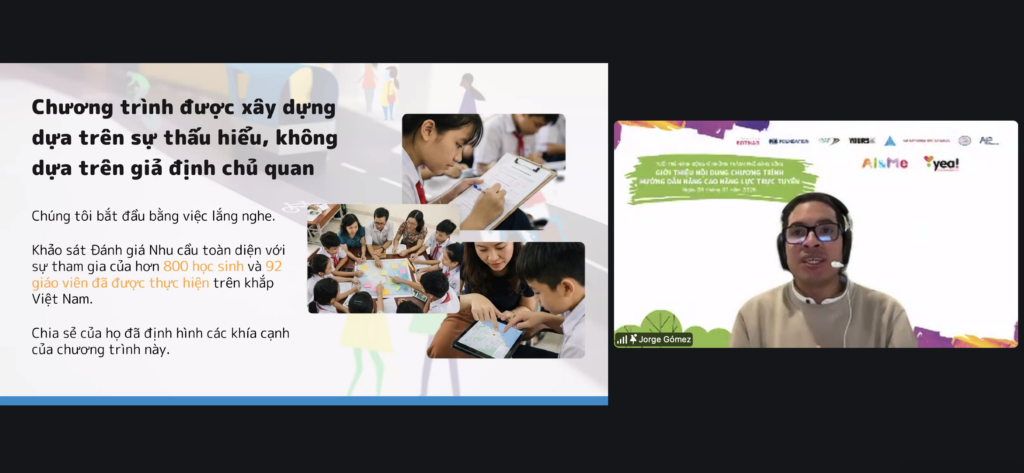
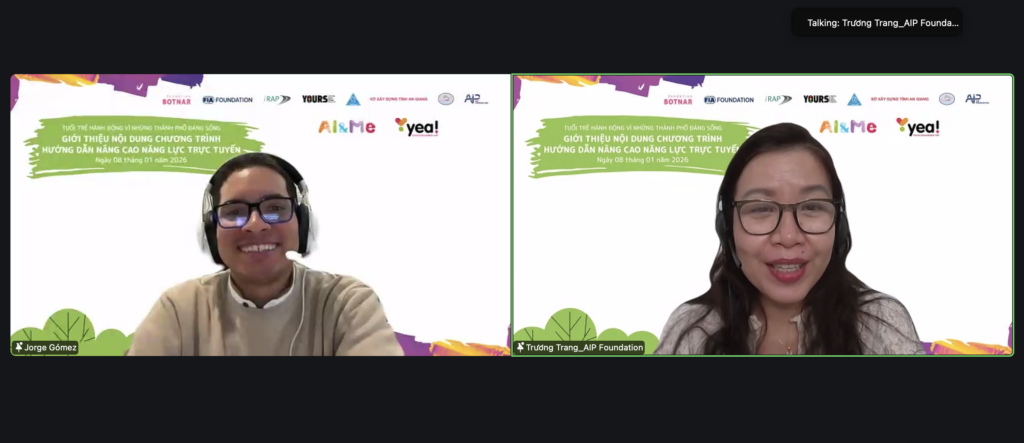
On 9 January 2026, the Empowering Youth for Livable Cities programme took a decisive step forward, 44 core teachers from An Giang and Vinh Long provinces came together for the official kick off of the project’s training phase, marking the start of a learning journey designed to equip educators and young people to lead safer and more sustainable mobility initiatives in their communities.
On 9 January 2026, the Empowering Youth for Livable Cities programme reached an important milestone. Forty four core teachers from An Giang and Vinh Long provinces came together for the official kick off of the teacher training phase, marking the start of a learning journey designed to equip educators and young people to lead safer and more sustainable mobility initiatives in their communities.
This session introduced teachers to a tailored hybrid training journey that combines online learning through the YOURS Academy with in person workshops. This approach was designed to reduce barriers linked to time, geography, and language, while maintaining the depth and quality needed for meaningful capacity development.
Real time translation was integrated into the training experience to ensure accessibility and inclusion, enabling participants to engage fully across languages. Instead of treating technology as a standalone feature, the programme embedded digital tools as practical enablers of learning, collaboration, and long term impact, introducing platforms such as the YOURS Academy, the Youth Engagement App, and School Road Safety tools to support data driven advocacy and help connect local evidence with broader policy conversations.
At the core of the programme is a Cascade Model designed to ensure scale, ownership, and sustainability. Through this approach, expertise flows from Master Trainers to School Educators, then to Youth Leaders, and ultimately to students.
The 44 teachers participating in the kick off are the future Master Trainers who will play a critical role in expanding the programme’s reach. Over the course of the project, this model aims to reach more than 40,000 students by 2027, transforming individual learning moments into system wide change.
As the training journey unfolds, the programme will continue to link local action in Vietnam with global networks and advocacy efforts, reinforcing the idea that youth led, evidence based approaches are essential to building safer and more liveable cities.
The programme reflects how YOURS works across contexts: aligning with global agendas such as the Decade of Sustainable Transport while designing solutions that respond directly to local needs, realities, and lived experiences. What is unfolding in Vietnam is intended to be relevant not only nationally, but as a model for cities facing similar challenges around the world.
As the United Nations inaugurates the Decade of Sustainable Transport (2025–2035), Youth for Road Safety (YOURS) presents its official position for the decade ahead: A call for transport systems that honour human dignity, protect life, and expand opportunity for all.Transport defines how people access education, work, healthcare, connection, and possibilities. Yet for millions, mobility remains unsafe, unequal, and unsustainable. As the global transport community steps into this decade, YOURS underscores that sustainable transport will only succeed if it is built through inclusion, collaboration and accountability, where communities shape the solutions that affect their lives, young people help drive decision-making, and every system is designed with safety at its core to ensure that no one is left behind.
“The Decade challenges us to rethink transport systems based on evidence and concrete action, listening to communities, working across sectors, and embedding accountability in every decision. Only by placing safety and communities at the centre can sustainable transport move from ambition to impact,” said Raquel Barrios, Executive Director of YOURS.
Grounded in lived experience and global youth leadership, YOURS outlines a set of non-negotiable priorities that must guide the actions of this new decade, based on the global vision of youth: safety, equity, decarbonization, finance, technology, accessibility, and accountability.
Road Safety at the Foundation
Any system that calls itself sustainable must pass the safety test. Nothing else matters if people keep dying on the way to school or work. Governments must embed the Safe System approach everywhere: designing roads and vehicles that protect people even when mistakes occur, managing speed to prevent crashes from being fatal, and building accountability into every decision. A truly sustainable transport system is one that protects and preserves life.
Equity Begins with Access
Transport must work for everyone, not just those with cars or privilege. Women walking unsafe streets, children crossing chaotic roads, and elders and people with disabilities left out by design; this is the inequality we must end. Universal design must be at the centre of every transportation system to ensure equal access for all, gender- and disability-responsive planning, and regular safety and equity audits. Equity starts when everyone can move safely and affordably. By 2035, cities must invest in and have in place urban and mobility plans that ensure social equity in mobility for all, especially in low- and middle-income countries and rural areas, where most marginalised and disconnected communities are located.
Decarbonise Transport, Decentralise Power
We refuse a future where mobility accelerates the climate crisis. Transport must decarbonise faster, not later, if we are to safeguard health, equity, and the planet’s future. Governments must demonstrate progress in phasing out fossil-fuel vehicles, electrify public transport and two- and three-wheelers, and invest in cycling and walking infrastructure as climate and active mobility solutions. A just transition must protect workers and low-income communities while ensuring that transport contributes its fair share to global climate goals.
Financing that Works for People and Planet
Financial resources should reflect values. If financing continues to flow to car-dependent, fossil-heavy systems, then talk of “sustainability” is meaningless. This Decade must mobilise financial resources guided by proven solutions, global goals and community needs, redirecting investments toward equitable, low-carbon mobility. Every public dollar must be traceable, every project transparent, and every investor accountable. By 2035, government investment must focus on implementing the NDCs, as well as urban and transportation plans, to ensure a return on investment in people, communities, and a healthy environment.
Technology for Safety and Dignity
The future of transport is digital and AI-powered, and that demands a new social contract. Data and information must be accessible so young entrepreneurs can build and refine the tools that will shape tomorrow’s mobility. Governments must also safeguard user data and ensure technology serves the public good. Every digital advancement in transport should increase safety, expand access, and protect the dignity of every traveller. Anything less isn’t progress.
Accessible Systems that Move Everyone
Progress isn’t measured by the speed of cars but by the freedom of people. Cities must set mode-share targets that prioritise walking, cycling, and public transport, and build continuous, safe networks for each. Every person should be able to reach school, work, and healthcare safely without owning a car or risking their life. By 2035, cities must invest in multimodal transportation systems that enhance connections and foster economic growth within their communities, at a price that is accessible to everyone, regardless of their socioeconomic status.
Accountability Through Action
Accountability is what brings promises closer to real progress. Every country must set measurable annual targets for safety, accessibility, and emissions in their nationally determined contributions (NDCs), developed in collaboration with communities and monitored in the public domain. What isn’t transparent cannot be trusted. This decade will be remembered for what it delivers, not what it declares.To achieve these seven priorities, civil society, communities, and youth must be recognised not merely as beneficiaries of change, but as essential allies in shaping it. Lived experiences, local knowledge, and collective power are critical to designing transport systems that are equitable, inclusive, and effective. When youth and communities are treated as co-creators, rather than passive recipients, policies become more grounded, resilient, and responsive. This decade requires a shift from top-down decision-making to collaborative governance, where those most affected by mobility challenges help lead the solutions.Alongside global partners, YOURS commits to driving community-led, evidence-based actions that bring safety and sustainability closer to reality.
A Call to Collective Action!
YOURS invites governments, civil society, youth networks and global partners to work together to build mobility systems that safeguard dignity, protect life, support the planet, and enable a sustainable future for all.Stay tuned for updates as YOURS continues contributing to the UN Decade of Sustainable Transport, and check out our official commitments on the UN Decade of Sustainable Transport website.
El proyecto #JóvenesEnRuta demostró que, cuando las y los jóvenes reciben herramientas reales, acompañamiento técnico y espacios de participación significativa, pueden convertirse en actores clave para mejorar la seguridad vial y en motocicleta en sus comunidades.
La iniciativa, impulsada por YOURS y Autoliv Safety Foundation e implementada junto a Liga Peatonal, con apoyo técnico del Gobierno de Toluca, articuló formación, acción comunitaria y una campaña de sensibilización que fortaleció la conversación sobre seguridad vial en Toluca, el Estado de México y más allá.
Desde el inicio, el proyecto apostó por un enfoque glocal: intervenir localmente, pero pensando en cómo estos aprendizajes pueden informar esfuerzos más amplios en México y más allá. Con el respaldo de instituciones locales, se reclutaron 21 jóvenes de diferentes perfiles, los cuales aceptaron convertirse en Embajadoras y Embajadores de Seguridad en Motocicleta. “Cuando empoderamos a las juventudes con verdaderas herramientas de liderazgo, la conversación cambia. Se evidencia su compromiso a largo plazo y la efectividad de acciones concretas para cambiar la realidad de la seguridad vial “, comentó Raquel Barrios, Directora Ejecutiva de YOURS, destacando el papel clave de los jóvenes participantes.
A lo largo de seis semanas de capacitación híbrida, el equipo de jóvenes aprendió sobre seguridad vial, riesgos específicos de motociclistas, normas de certificación de cascos y metodologías participativas. Esta etapa implicó la consulta comunitaria con 144 personas, identificando en el territorio mexicano preocupaciones, soluciones y patrones de riesgo de primera mano. Para Daniela Sandoval, una de las participantes, este elemento hizo la diferencia: “El programa fue educativo e informativo. “Los ejemplos reales nos mostraron lo que sucede en nuestras calles y pude enseñarlo a mis compañeras, grupos de movilidad y usuarios de motocicleta”.
Conocimiento en práctica
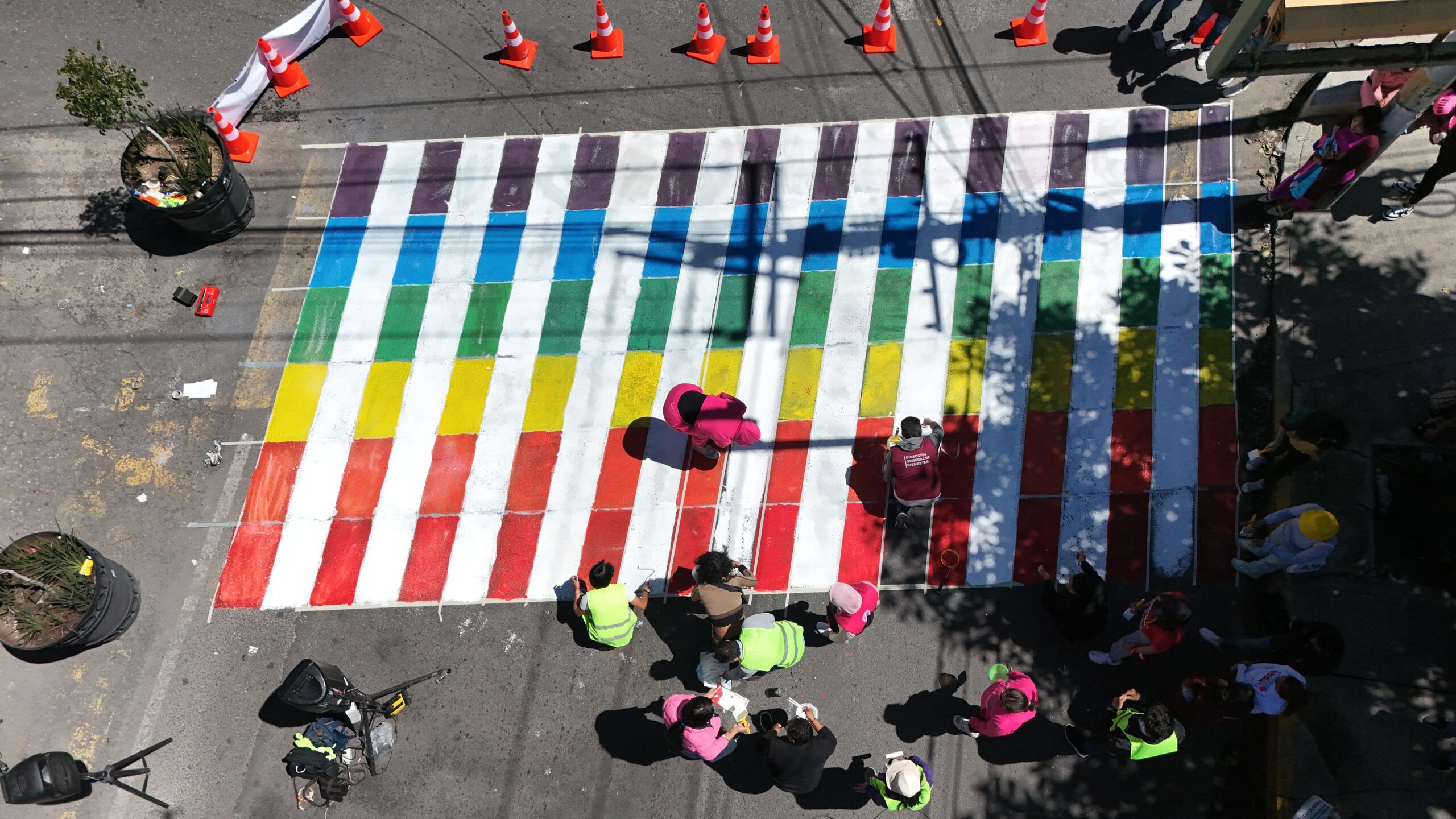
Después de la capacitación, el equipo realizó 15 activaciones comunitarias en alianza con 13 organizaciones locales y tres gobiernos municipales. Estas acciones abarcaron la promoción y el apoyo a certificaciones de motocicleta en Jilotepec, acciones de urbanismo táctico en Texcoco y acciones con niñas y niños en Atlacomulco y El Oro para reconocer riesgos y derechos en el espacio público. Cada acción fue una respuesta a las necesidades identificadas y demostró la habilidad de las y los jóvenes para transformar el conocimiento en acción.
“#JóvenesEnRuta fue un proyecto que empoderó a un grupo de jóvenes y les permitió alzar la voz sobre un tema tan urgente en el Estado de México como la seguridad de motociclistas. Además, les permitió tejer lazos de colaboración entre activistas, funcionarios públicos y técnicos interesados en movilidad sustentable y seguridad vial, que seguirán rindiendo frutos en los próximos años”, dijo Aldo González, secretario general de Liga Peatonal.
No te arriesgues
Como parte de la estrategia glocal del proyecto, #JóvenesEnRuta integró la campaña “No te arriesgues”, implementada con el apoyo de los aliados de comunicación y difusión: Municipio de Jilotepec, Coalición Movilidad Segura, IMU, Motociclistas Unidos CDMX, International Bikers Association, Revista Moto, Mujeres en Motociclismo, entre otros. La campaña, donada por Vital Strategies, el Gobierno de Jalisco y el Gobierno de Guadalajara, promueve cuatro mensajes fundamentales para quienes conducen motocicleta: respetar los límites de velocidad, evitar desviarse entre carriles, circular con un máximo de dos pasajeros y usar siempre un casco certificado y bien abrochado.
La difusión colectiva de la campaña a través de medios de comunicación y redes sociales alcanzó a más de 5,5 millones de personas, reforzando el alcance y la visibilidad del proyecto.
Impacto en cifras
El efecto último de #JóvenesEnRuta se nota en tres niveles: a nivel individual, cada joven fue capacitado con más de 15 horas de formación, mejorando en promedio 5/5 su conocimiento para ponerlo en práctica en acciones comunitarias. En el ámbito comunitario, más de 3.000 personas fueron impactadas directamente por las activaciones y más de 19 organizaciones locales se movilizaron en torno al proyecto. A escala sistémica, cinco gobiernos locales se involucraron, así como la Coalición Movilidad Segura.
El cierre de esta edición #JóvenesEnRuta deja la lección aprendida: cuando las juventudes toman la batuta con información, acompañamiento técnico y respaldo institucional, crean cambios sustentables. Lo que se ha logrado en Toluca y en el Estado de México no sólo crea capacidades locales, sino que ofrece un modelo replicable para otras ciudades que quieran proteger a las personas jóvenes motociclistas y avanzar hacia entornos más seguros, solidarios y humanos.
El proyecto jóvenes en ruta también fue apoyado por otros actores como Céntrico, Alianza Nacional por la Seguridad Vial (ANASEVI), UKAN Consultores y múltiples organizaciones locales en el Estado de México.
ENGLISH VERSION
#YouthOnTrack: the youth power driving motorcycle safety from Toluca, State of Mexico
The #YouthOnTrack project demonstrated that when young people receive practical tools, technical guidance, and meaningful opportunities to participate, they can become key actors in improving road and motorcycle safety within their communities.
The initiative, led by YOURS and the Autoliv Safety Foundation and implemented alongside Liga Peatonal, with technical support from the Government of Toluca, brought together training, community action, and a public awareness campaign that strengthened the conversation around road safety in Toluca, the State of Mexico, and beyond.
From the outset, the project embraced a glocal approach: acting locally while ensuring that the insights gained could inform broader efforts across Mexico and internationally. With strong backing from local institutions, 21 young people from diverse backgrounds were recruited and stepped forward as Motorcycle Safety Ambassadors. “When we equip young people with genuine leadership tools, the conversation shifts. Their long-term commitment becomes visible, and the effectiveness of concrete actions to improve road safety becomes evident,” said Raquel Barrios, Executive Director of YOURS, highlighting the essential role of the young participants.
Over six weeks of blended training, the group learned about road safety, the specific risks faced by motorcyclists, helmet certification standards, and participatory methodologies. This phase also included community consultations with 144 people across the State of Mexico, gathering first-hand concerns, solutions, and risk patterns directly from residents. For participant Daniela Sandoval, this component was decisive: “The programme was educational and informative. Real-life examples showed us what truly happens on our streets, and I was able to share this with classmates, mobility groups, and motorcycle users.”
Knowledge into practice
After completing the training, the group carried out 15 community activations in collaboration with 13 local organisations and three municipal governments. These actions included supporting motorcycle certification processes in Jilotepec, implementing tactical urbanism interventions in Texcoco, and engaging children in Atlacomulco and El Oro to help them identify risks and understand their rights in public spaces. Each action responded to needs identified during the consultations and demonstrated the ability of the young participants to translate knowledge into meaningful change.
“#YouthOnTrack empowered a group of young people and enabled them to raise their voices about an urgent issue in the State of Mexico: motorcycle safety. It also helped them build collaborative ties between activists, public officials, and technical experts working on sustainable mobility and road safety—connections that will continue to bear fruit in the years to come,” said Aldo González, Secretary General of Liga Peatonal.
Don’t Risk It
As part of the project’s glocal strategy, #YouthOnTrack integrated the “Don’t Risk It” campaign, implemented with the support of communication and dissemination partners including the Municipality of Jilotepec, the Safe Mobility Coalition, IMU, Motociclistas Unidos CDMX, the International Bikers Association, Revista Moto, Mujeres en Motociclismo, among others. Originally developed and donated by Vital Strategies, the Government of Jalisco, and the Government of Guadalajara, the campaign promotes four essential messages for motorcyclists: respecting speed limits, avoiding lane-splitting, travelling with no more than two passengers, and always wearing a certified, properly fastened helmet.
Collective dissemination through media outlets and social networks reached more than 5.5 million people, significantly amplifying the project’s visibility and impact.
Impact in numbers
The overall effect of #YouthOnTrack can be observed at three levels. At the individual level, each young participant received more than 15 hours of training, achieving an average knowledge improvement of 5/5 and applying these learnings in community-led actions. At the community level, more than 3,000 people were reached directly through activations, and over 20 local organisations mobilised around the project. At the systemic level, five local governments became involved, as well as the Safe Mobility Coalition.
This edition of #YouthOnTrack leaves a clear lesson: when young people lead with accurate information, technical support, and institutional backing, they drive sustainable change. The achievements in Toluca and the State of Mexico not only build local capacity but also offer a replicable model for other cities seeking to protect young motorcyclists and advance towards safer, more inclusive, and more people-centred environments.
The #YouthOnTrack project was also supported by additional actors such as Céntrico, the National Road Safety Alliance (ANASEVI), UKAN Consultores, and several local organisations across the State of Mexico.
Young people in Vietnam are taking the lead in making their cities safer, greener, and more livable. The Empowering Youth for Livable Cities programme is equipping them with the tools, knowledge, and confidence to bring that vision to life.
Building on the success of AI&Me: Empowering Youth for Safer Roads, this new three-year initiative (2024–2027) is led by AIP Foundation in collaboration with Fondation Botnar, FIA Foundation, iRAP, and YOURS – Youth for Road Safety. Together, the partners share a belief that nothing about youth should be decided without youth.
Around the world, there are 1.8 billion young people, the largest youth generation in history, and 90% of them live in developing countries. Yet city planning often happens without their voices. In Vietnam, urban life can be particularly challenging for young people, as traffic is dense, noise and air pollution are high, and there are limited green spaces. Roads are designed for speed, not safety. As a result, crashes remain the second leading cause of death among children and young adults.
This programme is changing that by empowering young people with knowledge about safe and sustainable mobility and helping them engage directly in shaping infrastructure and safety in their communities. It creates space for youth voices to influence decisions, inspiring a new generation of leaders who see road safety not just as a policy issue, but as a pathway to healthier, more inclusive cities.
“Young people in Vietnam are ready to take the lead in making their cities more sustainable and their commutes safer. I have been impressed with YOURS’ work to not only share road safety skills, but give young people the confidence and soft skills to communicate their ideas to their local leaders.” Ms Trang Truong, Senior Program Manager, AIP Foundation
Through the programme, YOURS supports youth in developing their leadership skills and acting as changemakers in their communities. The team is developing a Vietnam Youth Leadership and Road Safety Curriculum, training educators and local government representatives, guiding peer-to-peer learning in schools, and coaching youth to present their ideas to policymakers. These activities are helping connect young people in Vietnam with the Global Youth Coalition for Road Safety, linking local action to global change.
“We are pleased to be partnering with AIP Foundation and iRAP in this ambitious project that aims to reach tens of thousands of youth through our tried and tested capacity development methodology. Young people themselves understand their lived realities best in the communities when it comes to safety, and so equipping them with the skills to advocate and lead road safety change is crucial”.Manpreet Darroch, Capacity Development Director, YOURS.
Recent surveys with 92 teachers and 800 students are shaping the approach. The findings revealed that nearly a quarter of teachers are under 25, meaning many road safety educators are young people themselves. Both teachers and students identified speeding, distracted driving, and overtaking as significant risks around schools. Teachers expressed a strong desire to use more interactive methods in class, while students said they learn best through games, competitions, and creative activities.
These insights are now guiding the programme’s design, making road safety education more engaging, youth-led, and relevant to everyday life. “To harness data for change, who better to ask than those using the streets every day on their way to school? iRAP has partnered with YOURS to cascade the Youth Engagement App (YEA) to high school students across Vietnam so that they can become peer leaders in their communities.” Ms Shanna Lucchesi, Project Coordinator, iRAP
Over the next three years, the programme aims to train 60 school staff as curriculum trainers, engage 900 peer youth trainers, reach more than 40,000 students with road safety education, collect 10,000 data points through the Youth Engagement App, and support over 120 improvements to make school zones safer. Youth pitch competitions will also provide students with a platform to share their ideas directly with decision-makers, transforming advocacy into tangible impact.
The Empowering Youth for Livable Cities programme is redefining what youth participation looks like, moving from consultation to collaboration, building a generation of leaders ready to co-create safer streets and more liveable cities, not only for themselves but for everyone.