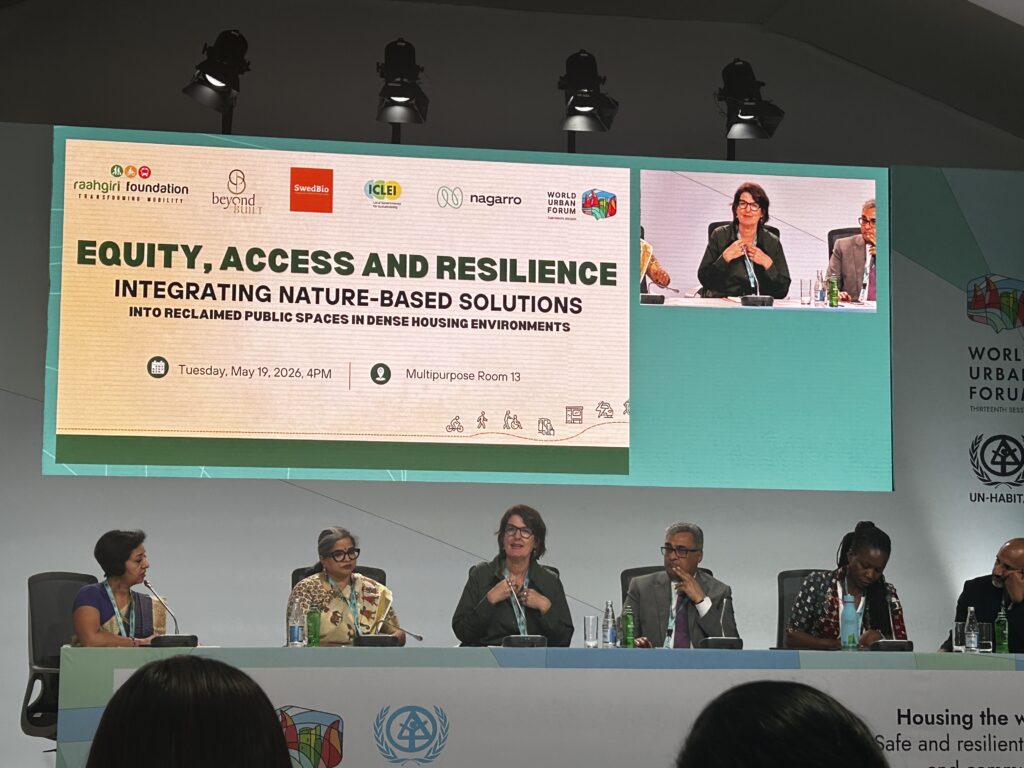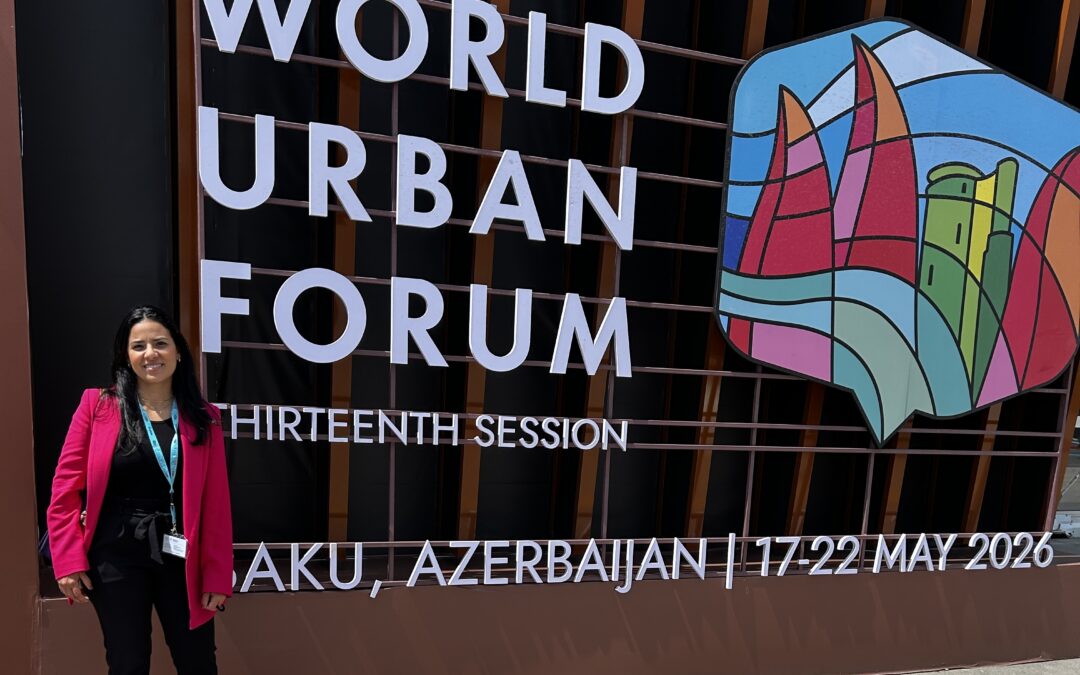
Attending the World Urban Forum for the first time as a representative of YOURS – Youth for Road Safetywas both energising and affirming. We were there with a clear mission: to speak up and position the fact that cities cannot be truly sustainable if young people are not safe moving through them. Road traffic injuries remain one of the leading threats to young people’s lives, and no city can claim to be livable or resilient while its youngest residents face daily danger on their streets. If we are designing the cities of tomorrow, young people must be in the room today. And yes… the full programme and venue corridors were full of youth, which was inspiring and motivating.
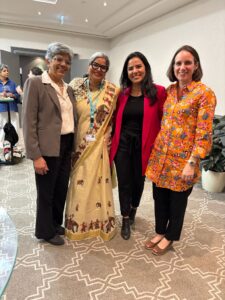 One of the most striking insights from #WUF was how deeply the housing sector has embraced community engagement compared to the transport field. Housing actors have normalised participatory processes that centre residents’ voices, while transport and road‑safety planning still often operate at a distance from the communities most affected. There is so much to learn from the housing agenda: the methodologies, the co‑creation practices, and the recognition that people are experts in their own environments. These approaches can and should be adapted to mobility planning, where young people, the most frequent users of urban transport, bring creativity, digital fluency, and a sense of urgency that cities desperately need.
Throughout the forum, one theme kept resurfacing: urban resilience is not only about infrastructure; it is about protecting people. Cities that invest in road safety see gains in health, productivity, equity, and long‑term resilience. Safe streets unlock access to education, jobs, and opportunities, especially for young people, women, and vulnerable groups. Road safety is not just a transport issue; it is a public‑health, equity, and development priority that must be embedded in every urban agenda.
#WUF also introduced YOURS to new partners and reconnected with old ones. As a global organisation working with youth, we see it as essential to build alliances that advance the urban agenda collectively. Attending WUF gave us the opportunity to engage more deeply with other actors in the field, understand their priorities, and identify clear synergies for current and future collaboration. @Raaghiri Foundation Safetipin International Federation of Pedestrians Walk21 Foundation FIA Foundation AMAK EASST UN-Habitat (United Nations Human Settlements Programme) Hivos Fondation Botnar Cities4Children – The Global Alliance Global Designing Cities Initiative
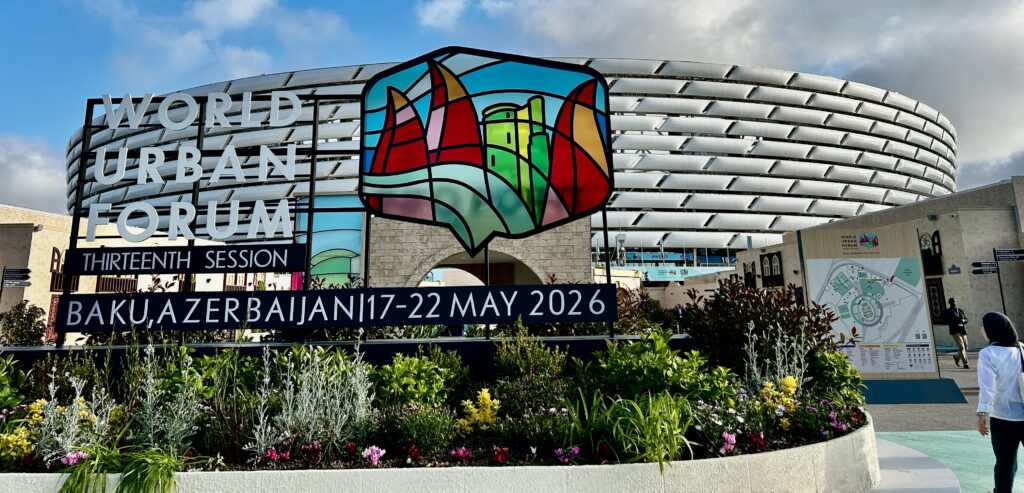
I leave #WUF more convinced than ever that safer transport and safer housing are two deeply interrelated components shaping the urban environments we all depend on. You cannot build a safe home in an unsafe neighbourhood, and you cannot build a thriving mobility system when people do not feel secure where they live, walk, or travel. These systems reinforce each other: safe streets support stable communities, and stable communities demand safer streets. If we want to see a truly holistic, safe society, both sectors must receive equal attention, investment, and political will. Urban transformation will only be real when mobility and housing are treated not as parallel agendas, but as interconnected foundations of human dignity and collective well‑being.