
Making helmets safer is not only about improving standards. It is also about bringing the right voices and partners together to turn road safety commitments into action.
From 15–17 September 2026, governments, road safety experts, FIA Clubs, civil society organisations and development partners gathered in Hanoi, Vietnam, for the Safe Helmets for Asia Pacific (SHAP) Summit 2026. The three-day event brought regional stakeholders together to explore how stronger partnerships, effective policies and improved helmet safety systems can help protect motorcycle riders and passengers across Asia-Pacific.
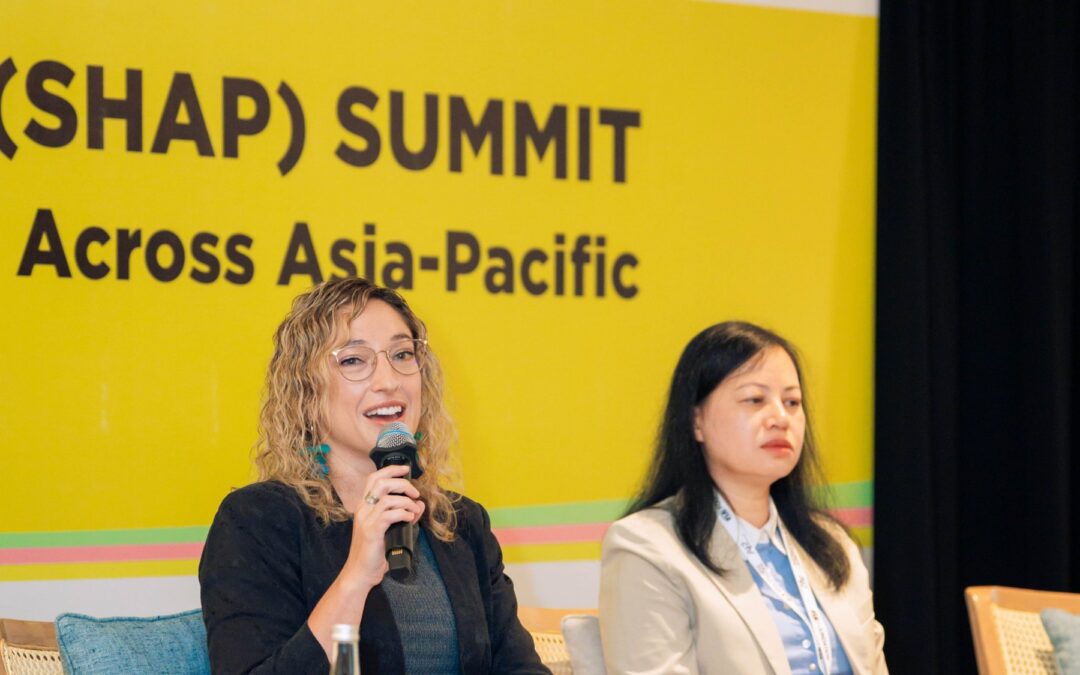
Representing YOURS, Molly Stoneman, Partnerships & Business Development Director, joined discussions on how youth leadership can strengthen helmet safety initiatives and contribute to more inclusive, sustainable approaches to road safety.
Across South-East Asia and the Western Pacific, powered two- and three-wheelers account for more than a third of road traffic deaths. While wearing a helmet is one of the most effective ways to reduce the risk of death and serious injury, the quality of that helmet matters just as much.
Safe helmet use can reduce the risk of death sixfold and the risk of brain injury by up to 74%. Yet access to affordable, certified helmets remains uneven across the region.
The discussions in Hanoi highlighted the importance of moving beyond helmet-wearing rates towards comprehensive safety systems that address standards, testing, certification, product quality, enforcement and affordability.
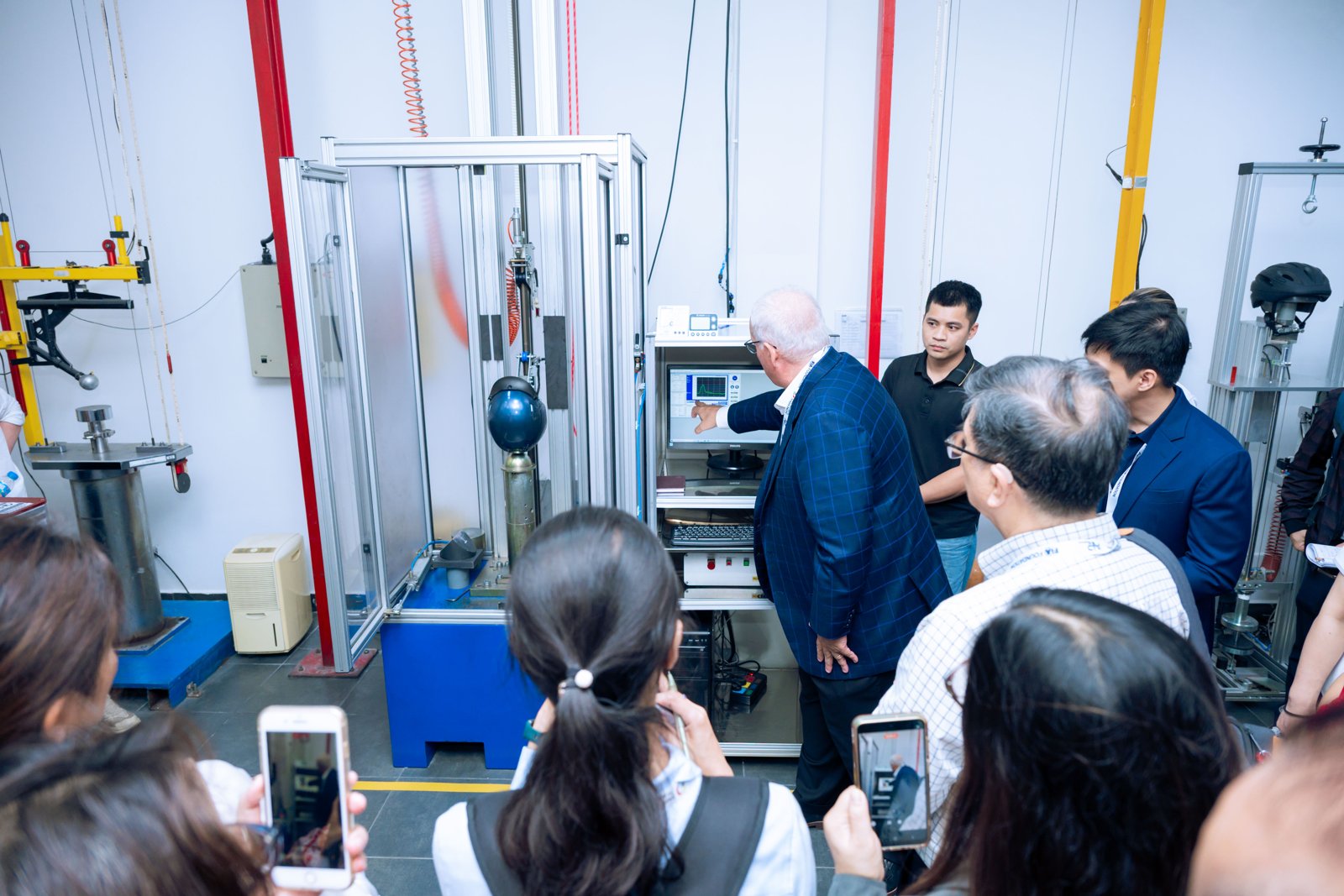
Representatives from Cambodia, Nepal, the Philippines, Thailand and Vietnam exchanged experiences and explored practical priorities for strengthening national helmet safety systems. The Summit also reinforced the importance of regional cooperation and shared learning to translate these priorities into action.
A central theme of the Summit was the role of collaboration in making helmet safety reforms effective and sustainable. During the panel “Government & Non-Government Partnerships that Deliver Results”, Molly shared YOURS’ perspective on what makes partnerships work beyond formal agreements, highlighting the importance of meaningful youth participation in road safety policies and programmes.
“Think about youth inclusion as both top-down and bottom-up. At the top levels, inviting youth liaisons will benefit your policy committees, and investing in the skills and exposure for young professionals in your agencies will strengthen the future decades of decision-making. Working bottom-up, youth are your ‘eyes on the ground’ who can play a key role in market surveillance/enforcement, as well as peer-educating others to increase helmet quality and usage.”
Her contribution focused on three essential elements: involving young people in decision-making processes, investing in long-term engagement between governments and civil society, and creating opportunities for youth-led implementation.
For YOURS, youth participation is not simply an additional component of road safety initiatives, but a core priority. Young people bring valuable perspectives on mobility challenges, everyday behaviours and the barriers that can prevent communities from accessing and using safe helmets.
Integrating these perspectives into helmet reform programmes can help partners develop approaches that are more inclusive, responsive to local realities and connected to the people they aim to protect.
The discussions also offered an opportunity to explore how youth leadership can contribute to emerging helmet initiatives across Asia-Pacific, supporting stronger collaboration between governments, technical partners and civil society.
For YOURS, the Summit reinforced an important opportunity: as countries strengthen their helmet safety systems, young people should have a meaningful role in shaping the policies and programmes that affect their lives.
Building safer roads requires technical solutions, effective partnerships and the participation of the communities these efforts are designed to serve.
Want to make youth leadership part of your helmet safety initiatives? Ask YOURS how you can infuse youth leadership and voices into your helmet reform programming and policy. Contact: molly@youthforroadsafety.org