Development projects shape cities and systems for decades, defining how people move, where they can live and work, and how they experience public space. Yet, the people most affected by these decisions are often not part of how they are made, creating gaps that directly influence how infrastructure performs, how communities engage with it, and how sustainable outcomes can be over time.
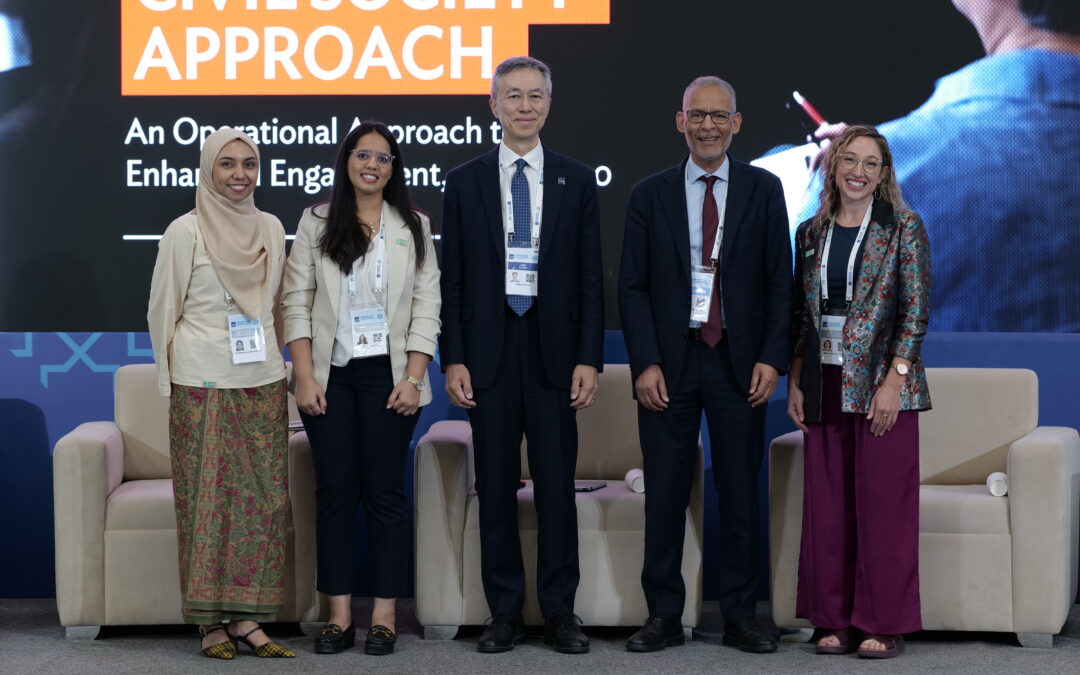
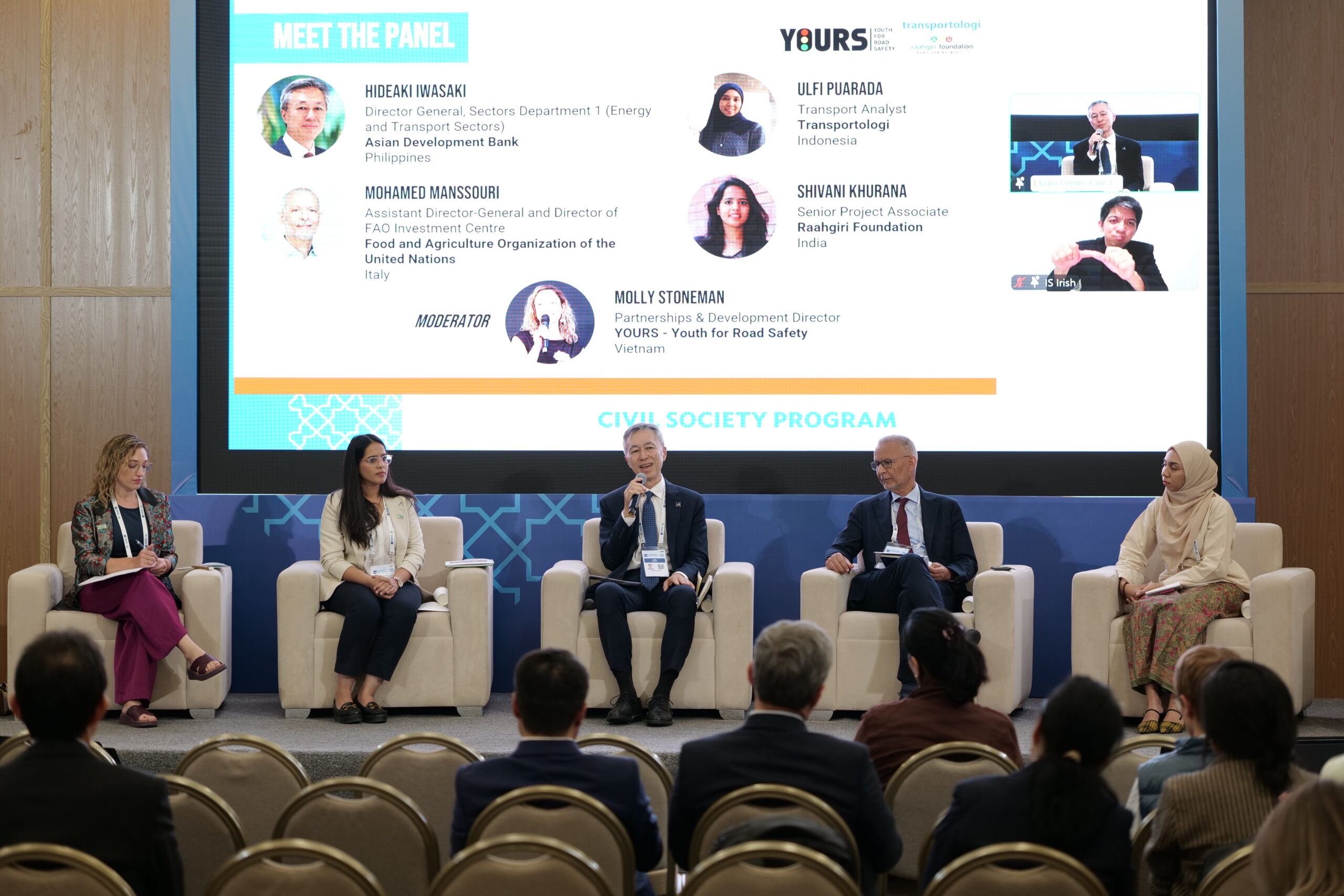
On 3 May 2026, at the Asian Development Bank’s Annual Meeting in Samarkand, Uzbekistan, YOURS – Youth for Road Safety facilitated a panel discussion on how youth and community engagement can strengthen the design and delivery of development projects. The conversation brought together Ulfi Puarada from Transportologi and Shivani Khurana from Raahgiri Foundation, both members of the Global Youth Coalition for Road Safety’s leadership teams representing the voice of the youth movement behind YOURS. Youth advocates spoke alongside Director General Hideaki Iwasaki from the Asian Development Bank, Sectors Department 1 (Energy and Transport Sectors) as well as Mohamed Manssouri, Assistant Director-General and Director of the Food and Agriculture Organization (FAO) Investment Centre, connecting perspectives from young leaders and communities with institutional experience in development and investment.
Invest the time up front, see the returns long-term
Across the discussion, a consistent idea emerged around the role of participation in shaping more effective and sustainable outcomes. Development processes that integrate communities from the earliest stages tend to deliver stronger results across implementation, performance and long term sustainability. When communities understand projects, contribute to their design and see their priorities reflected in decisions, they are more likely to support implementation, strengthen local ownership and sustain outcomes over time.
When asked about measuring return-on-investment from community inclusion, Mr. Iwasaki explained, “There are returns, but those returns take time. In my experience, there is no doubt that high community engagement gives better results. It takes more time and money in the beginning, but investing in communities over the long run is a more sustainable investment.”
Community consultation can look different
Meaningful participation becomes visible in how engagement evolves within project cycles, moving from listening through surveys and focus groups, into co-creation, and at its strongest, into shared roles in decision making, implementation and accountability.
Ms. Ulfi Puarada spoke clearly, “Start with consulting youth, but then bring us in to co-create, and then to lead.”
The panel shared examples of how to listen to the community’s feedback in their own way, including through creative exercises like drawing, music, poetry, and mural making.
One audience member asked about consulting youth and women in particular, when every citizen would be affected by a project. Ms. Shivani Khurana explained that projects should consider which identity groups are most affected by the decisions made — students, wheelchair users, elderly — and to design around the people most vulnerable. “In general, with young people and women, these are the voices that are often left out of the decision process, so we do need to prioritise including them,” she explained.
Rely on data and evidence
Evidence shared during the session reinforced how this approach translates into tangible results in practice.
Mr. Iwasaki shared his experiences from India’s Rural Road Programme in partnership with the Asian Development Bank, where strong community listening activities made the ADB-supported sections of road upgrades more effective and long-lasting. “If you do it right the first time by really listening to the community, your money goes further. Otherwise you will pay to revise and upgrade later.”
In India’s Rural Road Programme, community engagement frameworks were initially perceived as a potential constraint on delivery timelines. In practice, the sections of road that included structured community consultation progressed more efficiently into procurement, supported by stronger local alignment and ownership throughout the process.
This pattern can be observed across sectors, where projects that are co-designed with communities tend to benefit from stronger adoption, wider dissemination through local networks and greater long term sustainability. These outcomes are reflected in improved performance indicators and more resilient impact beyond initial investment periods.
Participatory practices fit into every part of the project lifecycle
YOURS continues to integrate youth and community participation across its work, embedding these approaches into project design, implementation and evaluation through participatory methodologies and community led processes. Across different contexts, these experiences demonstrate how participation can be embedded as a core component of development practice and contribute consistently to stronger results.
This approach also responds to existing gaps in representation across sectors. Decision making spaces in transport, energy and urban development remain limited in diversity, while young people, women and vulnerable communities continue to experience the direct impact of infrastructure and policy decisions over longer time horizons.
As Mr. Mohamed Manssouri shared: “Investing in the human and social capital of youth and women is essential for building strong community-based organizations, creating more and better jobs, and achieving greater impact across agrifood systems.”
Development institutions can build community criteria into loan frameworks, while civil society can reinforce benefits of opting in to governments.
Advancing this model requires integrating participation into development frameworks from the earliest stages, ensuring it is planned, resourced and implemented as part of standard processes across institutions and governments.
Community consultation is not a ‘nice to have,’ but a strategic return on investment
As global development agendas continue to evolve, this conversation reflects a broader shift already taking place across multiple platforms, where youth participation and road safety are increasingly recognised as essential to building sustainable and effective systems.
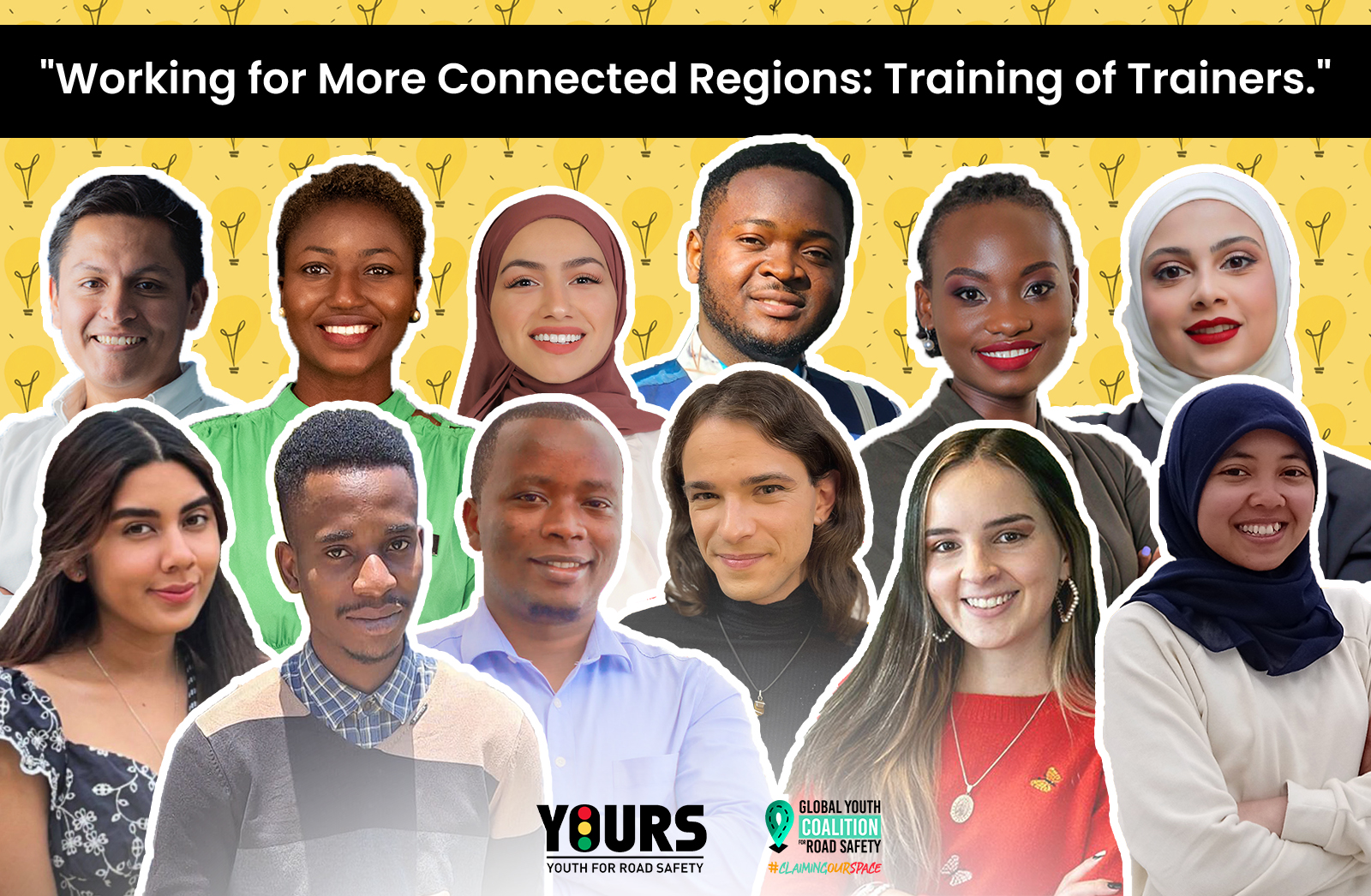
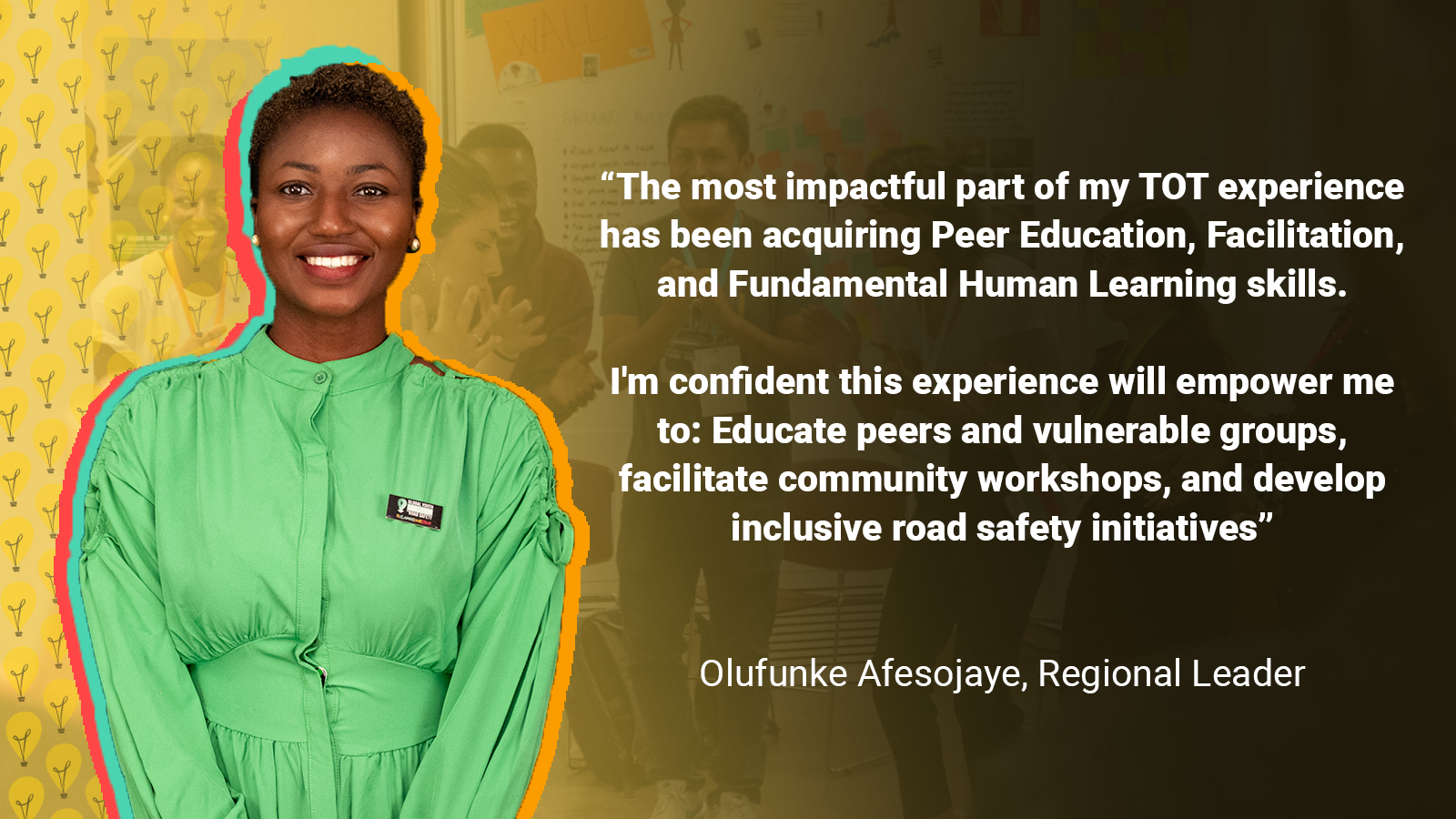
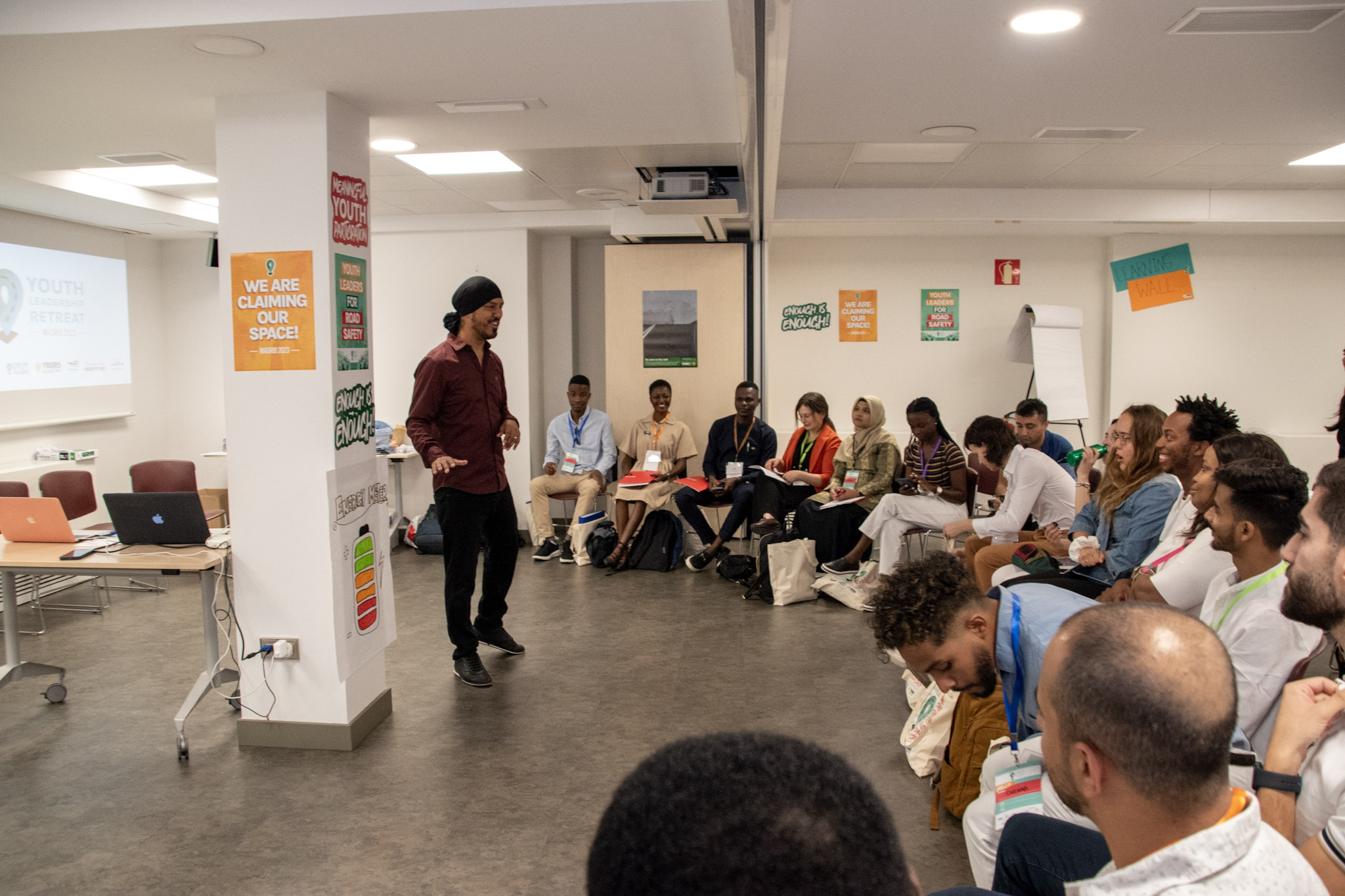
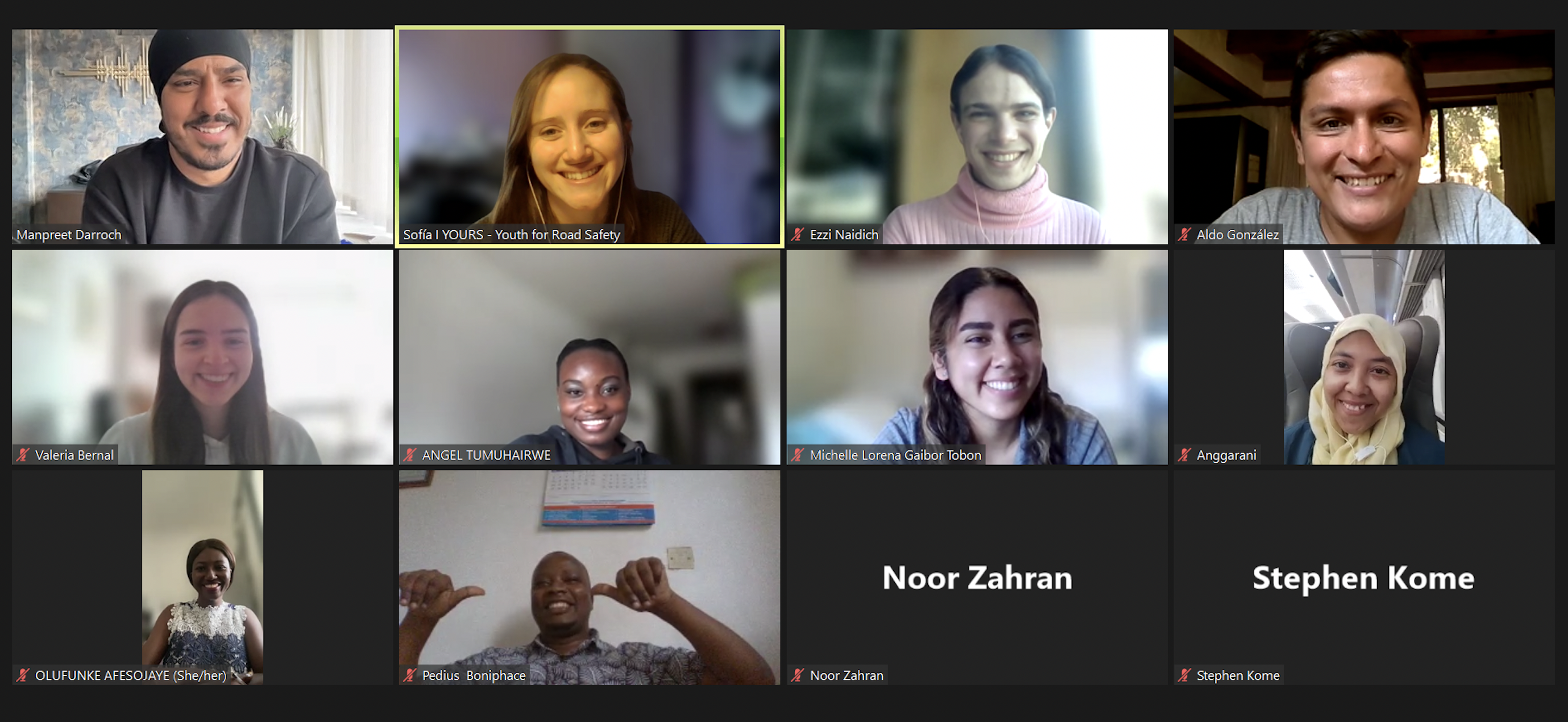
Introducing the Training of Trainers (ToT) Programme—a total game-changer for the Coalition’s Regional Leaders who will democratise how young leaders receive training across the world. This initiative gives twelve young leaders the skills and know-how to train their peers in all things road safety through online sessions overcoming barriers of language, time and geographical issues.
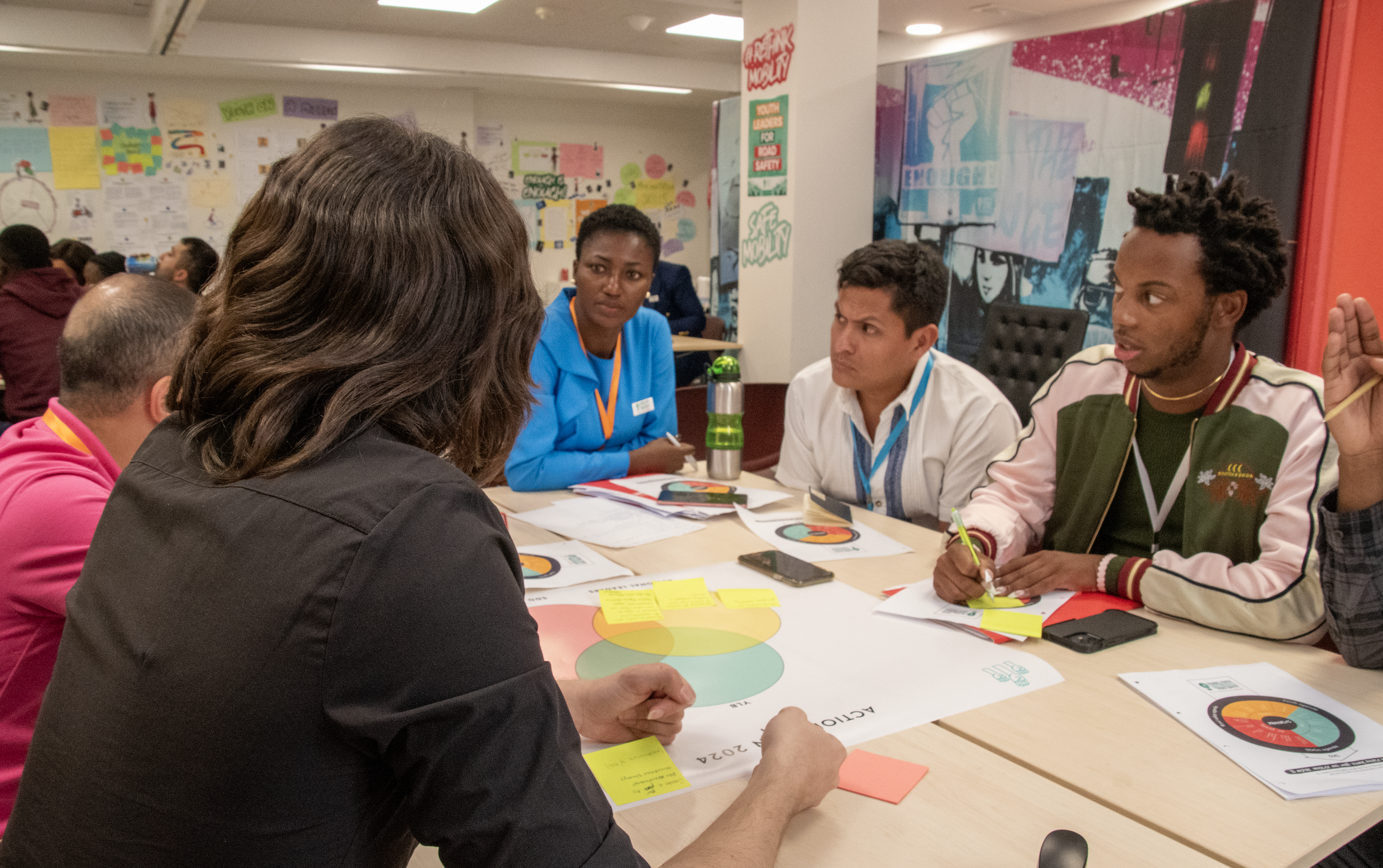
We’re stepping things up with our very own capacity development methodology by sharing key theories on how people learn using our award-winning methodology. We’re working closely with 12 young leaders providing the tools and knowledge they need to run awesome and engaging sessions. Regional leaders improved their facilitation skills through a tailored curriculum where they will dive into online learning packed with cool stuff on team-building, peer education, facilitation, planning live sessions, and more. In short, we’re getting them ready to lead and inspire!
Let’s face it—bringing together youth from all over the world isn’t always easy. Time zones, language differences—there are loads of things that can make it tricky to attend. With this programme, YOURS is making sure that the Coalition’s Regional Leaders are empowered to overcome these challenges. By doing so, we’re helping the Coalition strengthen its impact locally, giving each region the chance to drive change that fits its unique needs and addresses localised issues.
“This Training of Trainers is all about responding to what our Coalition members need. We’re constantly listening to ways to improve our reach and impact and the Regional Leaders prove to be a power link as peer-educators, that being people who look, sound and face similar challenges to themselves in the region. Through the programme, we will be closer to our regions in terms of training and capacity development”. Manpreet Darroch, Capacity Development Director.
“Thinking of this Program one year from now, and now being able to deliver it and see it come to life has been a rewarding experience. This is our first time running a ToT fully online, for Trainers to deliver online sessions, so we definitely enjoyed thinking about how to put the content together, making sure it is interactive and useful for the regional leaders’ mission. We are also very inspired to see their commitment and excitement to start delivering their localised live sessions” Daniela Gómez, Capacity Development Manager.
The GATE model—which stands for Getting Set, Acquiring Information, Testing, and Ending—breaks down learning into four simple steps.
Whether you learn best by doing, watching, or listening, this model makes sure every leader gets the most out of the experience in a way that works for them. It’s learning made fun, engaging, and—most importantly—effective.
These twelve young leaders aren’t just learning—they’re gearing up to share what they’ve learnt with other Coalition members. Through this training from YOURS, they’ll be able to lead sessions that are tailored to their communities, spreading road safety knowledge in ways that make sense for their local context. It’s not just about teaching—it’s about skilling youth-led movements to spark real action based on evidence, knowledge and data.
What’s next?
The YOURS ToT Programme kicked off in August, and the sessions that qualified Regional Leaders to train others wrapped up by the end of September. But this is just the beginning. Starting in November, these leaders will take charge, hosting “localised live sessions” through to July 2025. They will be adapting what they’ve learned to the needs of their regions, ensuring that global road safety best practices are translated to a local level.
As we gear up for these localised sessions, we invite you to stay tuned and be part of the action. Starting this November, you’ll have the chance to join these youth-led sessions in your region, learn from our inspiring leaders, and be part of a movement that’s driving real change in road safety.
Don’t miss out—keep an eye out for more updates and get ready to jump in!
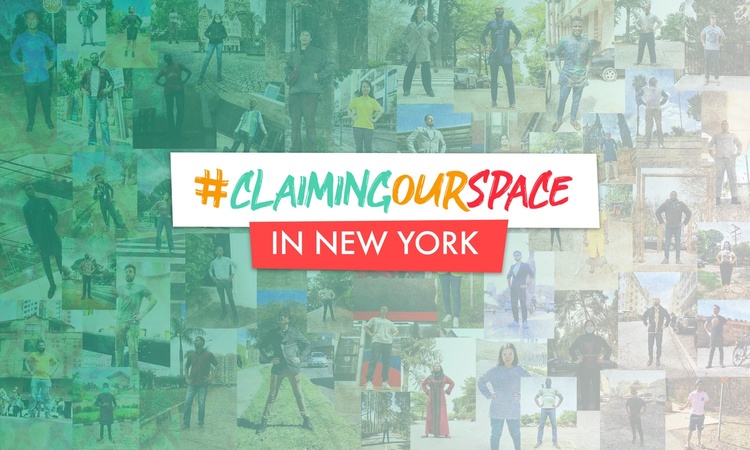
We are going to be among the organizations flying to New York to take part in the UN High-Level Meeting on Road Safety this June! Our youth leaders are claiming their space and are elevating the call for meaningful youth participation in road safety to local and global leaders and decision-makers. “Stop blaming us, start protecting and engaging us.”
More than representing young people around the world, our youth delegates are playing active roles during the High-Level Meeting to push the youth agenda forward. We have three main events; (1) an Global Art Exhibition, (2) an official side-event, and (3) participation during the sessions for the Meeting.
The art exhibition will kick things off. Featuring six pieces created by our young artists and will take place at the UN Headquarters from the 27th of June to July of 1st. It will present the results of the #ClaimingOurSpace campaign through an interactive and engaging art installation. Through the exhibition, decision-makers and attendees will be able to interact with our young leaders to discuss and make commitments to meaningfully engage and involve youth.
The exhibit, curated by Create2030’s Lisa Russel, aims to create a narrative through artistic mediums about the impact road crashes have on the lives of young people and the urgent need for meaningful youth participation in road safety policy making.
The next level of participation comes through our official side-event titled “stop blaming us, start engaging us!” set for the 30th of June from 1:15 PM to 2:45 PM at Sputnik Space in the UN Headquarters. The session seeks to promote meaningful youth participation as a standard at all stages and levels of the road safety and sustainable mobility policymaking process. It will also promote an intergenerational dialogue between youth, government authorities, and multilateral agencies to discuss youth participation in the implementation of the Global Plan for the Decade of Action for Road Safety.
Another goal of the side-event is to launch, disseminate, and promote a policymaker’s toolkit created by our youth leaders that will guide local and global leaders and decision-makers about when and how to meaningfully engage with youth.
The last event includes our youth leadership board member, Estiara Ellizar from Indonesia, participating in an official session during the Meeting. She will take part in a multi-stakeholder panel on the 1st of July at the UN Headquarters. The panel will talk about mobilizing stakeholders to accelerate the implementation of the Global Plan to halve the number of road-related deaths and injuries by 2030.
If you’re in New York and happen to be by the UN building, pay us a visit! We’ll be glad to have you check out our exhibition and our sessions!
The Minister of Transportation in Indonesia launched the Indonesia Youth Road Safety Warriors (IYRSW) Program as part of their role in the Merdeka Belajar Kampus Merdeka or the Independent Study Independent Campus in the formal establishment of the Indonesia Youth Road Safety Coalition, as a space to all alumni. The theme aligns to support the new Decade of Action for Road Safety 2021 – 2030 and culminated in the formal establishment of the IYRSC.
Indonesia Youth Road Safety Warriors The program was created through the collaboration of the IRSP with the Ministry of Transport of the Republic of Indonesia, Astra Honda Motor, the Institute Transportation and Logistic Trisakti, the Polytechnic of Land Transport Indonesia, and the Polytechnic of Road Transport Safety.
Merdeka Belajar Kampus Merdeka was held online in a webinar with the closing ceremony on the 1st of December. During the webinar, the situation on road safety and mobility in Indonesia was discussed with three local campuses welcoming the IYRSW as an elective course that is equivalent to two elective courses under the Ministry of Education and Culture program.
The IYRSW program accommodates sixty students from three different campuses – Institute Transportation and Logistic Trisakti, Polytechnic of Land Transport Indonesia, and Polytechnic of Road Transport Safety – with twenty students representing each campus.
The IYRSW encourages efforts to improve the quality of human resources in the field of road safety through the implementation of national road safety programs through partnerships between different sectors. It also focuses on providing multi-dimensional and awareness programs for young motorists with a focus on motorcycle drivers that would ideally create positive safety outcomes for young people and other stakeholders.
Global road safety interventions During the closing ceremony, IRSP President Dr. Elly Sinaga, MSc highlighted the new Decade of Action for Road Safety, emphasizing how the Global Plan calls on governments, civil society, academia, the private sector, and other stakeholders to integrate the Safe System Approach which squarely positions on road safety as a key driver of sustainable development.
She also talked about how the Global Plan highlights the role of youth in shaping the future of transportation. Through the IYRSW, the IRSP aims to improve road safety in Indonesia, saying that the program and the organization will collaborate with global partners such as the Global Youth Coalition for Road Safety to improve the capacity of the students on both local and global levels.
President Elly also committed the support of the IRSP as a non-government organization in helping the government come up with recommendations and solutions to improve the road safety situation in Indonesia by working on partnerships, advocacy, policy proposals, and capacity building.
YOURS – Youth for Road Safety Executive Director, Floor Lieshout, was also present during the webinar to provide a global perspective to the road safety situation as well as with the youth-led initiatives to address issues on mobility being supported by the Global Youth Coalition for Road Safety.
Floor shared the progress YOURS through the Global Youth Coalition is leading in terms of implementing road safety projects to improve awareness, engagement, partnerships, and more as a way to keep more young people safe on the world’s roads. He commends the youth leaders who make up the Coalition as those who are taking action to fight the biggest killer of youth worldwide; road crashes.
In his speech, he also congratulated the IYRSW for localizing road safety initiatives and in getting more young people involved in efforts to save lives on the world’s roads. He also invited the participants to also get involved in the global road safety movement by joining the Global Youth Coalition for Road Safety.
“We need to come together to develop a better mobility system, a safe mobility system, a more sustainable mobility system for future generations. And we can only do that if we work together. If you want to go fast, go alone. If you want to go far, go together” – Floor Lieshout
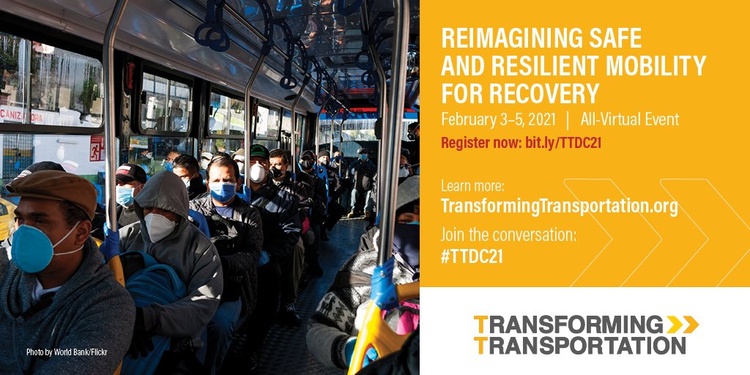
The World Resource Institute (WRI) launched an online conversation on addressing the impact of transportation on climate change through a virtual event called Transforming Transportation that was held from 3 – 5 February 2021. The event was guided by the theme “reimagining safe and resilient mobility for recovery” and will be co-hosted by World Bank Group and WRI Ross Center for Sustainable Cities.
Transforming Transportation The global pandemic has disrupted the global transport sector and has affected the economy of different countries and the lives of every individual around the world. WRI Climate emphasized that rethinking mobility is not a priority to build back better with safer, more resilient, and more efficient transport systems for all.
Transforming Transportation 2021 brought together sustainable mobility leaders from around the world to discuss the path forward. With the virtual event, WRI Climate offered resources on issues around sustainable transportation and mobility.
The virtual event was moderated by award-winning international journalist, Femi Oke, and featured world leaders like David Malpass – President of World Bank Group, Claudia Lopez – Mayor of Bogota, Colombia, Eneas Comiche – Mayor of Maputo, Mozambique, and more.
Transportation, climate, and development At the conference, president of World Bank Group, David Malpass, emphasized how critical the transport sector is in achieving sustainable development. In his opening speech, Mr. Malpass discussed the importance of ensuring safe and sustainable transportation around the world, presenting facts and figures to highlight the difficulties people encounter within the transport system.
The data shows that around 840 million people from around the world still live away from usable roads, the most affected coming from low-to-middle income countries. Poorly designed road infrastructure and unsafe modes of public transport make it hard for people to make a living, for kids to go to school, for goods to be delivered to markets, and a lot more.
“Improving transport connectivity is going to be key for achieving both social objectives, economic objectives, and climate objectives.” – David Malpass.
Global transport emissions have grown faster than in any other area over the last 50 years. The transport sector now accounts for a quarter of global energy-related emissions and it is believed that this could reach 33% if we do not make necessary adjustments.
“We’re looking for ways to have a green, inclusive, resilient recovery from COVID and growth into the future. In order to do that, we have to have less polluting, more effective, and universal public transport.” – David Malpass.
Good infrastructure that allows for more options such as cycling and walking are critical in improving the transport system in different countries and the rest of the world.
The International Road Federation (IRF), in collaboration with YOURS – Youth for Road Safety, held a Young Professionals Summit earlier this Wednesday, 30 September. The IRF Young Professionals program is a platform for the next generation of leaders and specialists on the road and mobility sector to propose ideas, share initiatives, and engage with other activities by the IRF.
Youth Opportunities Amidst the COVID-19 Pandemic
The panel was led by Global Youth Coalition Youth Advisory Board Member Maolin Macatangay and featured youth leaders from different fields. The panel included Alison Collard de Beaufort, founder and executive director of the Vision Zero Youth Council (VZYC); Bashiru Mansaray, founder of Open Space Corporation (OS Corp) tech company; and Tumwine Hosea, Community Development officer of the Resilient Women’s Organization.
The panelists talked about how social media has helped connect with youth and reach wider audiences when it came to addressing how the COVID-19 pandemic has affected their work. “Social media is powerful, unavoidable. With it, we can reach more young people, connecting with them, and raising awareness on issues that matter. This is the time to take advantage of technology,” says Tumwine.
Alison acknowledged this and notes how the world has adopted the “remote model”, using tools like Facebook, Twitter, Instagram, and Webinars as ways to help keep the conversation going. Alison also believes that the energy of youth continues to show even in the middle of the global pandemic. “Let’s take the energy we have and take it toward fighting for what is right,” she says.
Coming from the employability sector, Bashiru shared his experience as youth who has trouble looking for work, especially during the global pandemic. As a solution, he created his own company where he helped youth like him find jobs. “Because of the restrictions brought on by the pandemic, people are having trouble coming to work. OS Corp provides a virtual space where offices and other businesses can continue their tasks in the comfort of their homes,” Bashiru notes.
How Sustainable Transport Relates with Other Fields The areas of road safety and sustainable mobility is seen in different facets of everyone’s daily routines. Working in the road safety field, Alison sees this a lot. Sustainable transport is an important issue for VZYC. Based in New York, Alison and her team see how mobility and road safety is not just limited to transportation but also in health, climate, and safety. The VZYC wants to reduce traffic deaths and injuries to zero through its street safety program.
Bashiru sees the importance of sustainable transport in his community in Sierra Leone where some villages are located far away from the city.
The locations are connected by poorly constructed and unsafe roads, making it hard for people to reach food, supplies, and other amenities.
This poor road quality affects the safety of road users in the area and their daily needs which includes getting food, going to work, or going to school. Because of limited modes of transport, the fare for traveling is also significantly high.
Meanwhile, Tumwine’s work at the Resilient Women’s Organization often involves him and his team going to remote areas with unsafe and unpaved roads to reach small communities in Uganda.
Safe and sustainable transport is necessary so his organization can connect with vulnerable women to provide them with education and other necessary resources that will help with the fight toward women’s social and economic empowerment.
Getting Started The panelists are leaders in their respective rights. Youth have the passion to push for positive change in society so the panelists shared some insights on how young people can start leading movements connected with their passions and advocacies.
Alison shared the importance of finding a group that shares the same interests and beliefs as you. There doesn’t have to be complete education on the topic of advocacy – this will be achieved along the journey – what is important is that you get a good group of people to join you in your advocacy, says Alison. “Peer-to-peer interaction is very important because, with youth, the passion to try to solve societal issues will translate into the conversation.”
Bashiru also noted the importance of having a good group of people that helps fill in each other’s weaknesses so that a strong team is built.
Stay connected with our youth leaders by joining the Coalition! Learn about the members’ goals, commitments, and advocacies. Be a member today!
In our society, more and more young people use social networks such as Facebook, Twitter, Instagram and the like, and every day on these networks put their photos taken in different situations.