With the support of the FIA Foundation and in partnership with Liga Peatonal, Despacio, ASR (Association des Ambassadeurs de la Sécurité Routière), and Kemi Ketiga l, YOURS is implementing a structured coaching programme to support youth-led advocacy at the city level. The project aims to embed young people within urban governance systems by supporting their meaningful participation in city-level councils related to mobility, health, and road safety across four cities: Tunis, Bogotá, Guadalajara, and Bandung.
 Over the past months, youth advocates across these cities have been developing Advocacy Youth Action Plans, strategic, locally grounded documents designed to move beyond one-off engagement toward sustained, intergenerational collaboration in decision-making processes.
In Tunis, Tunisia, this work is already taking shape in a powerful and tangible way. Young advocates, supported by YOURS and ASR, identified speeding, weak enforcement, and unsafe environments around schools and community spaces as critical road safety challenges affecting their daily lives. While many entered the programme with limited experience in policy processes, they demonstrated strong analytical capacity and confidence in using data to support their arguments.
Through a combination of group coaching, individual mentoring, and onsite engagement, the Tunis cohort strengthened key skills in advocacy communication, stakeholder engagement, and evidence-based campaigning. This support enabled them to translate lived experience into a structured action plan focused on speed management and safer school zones.
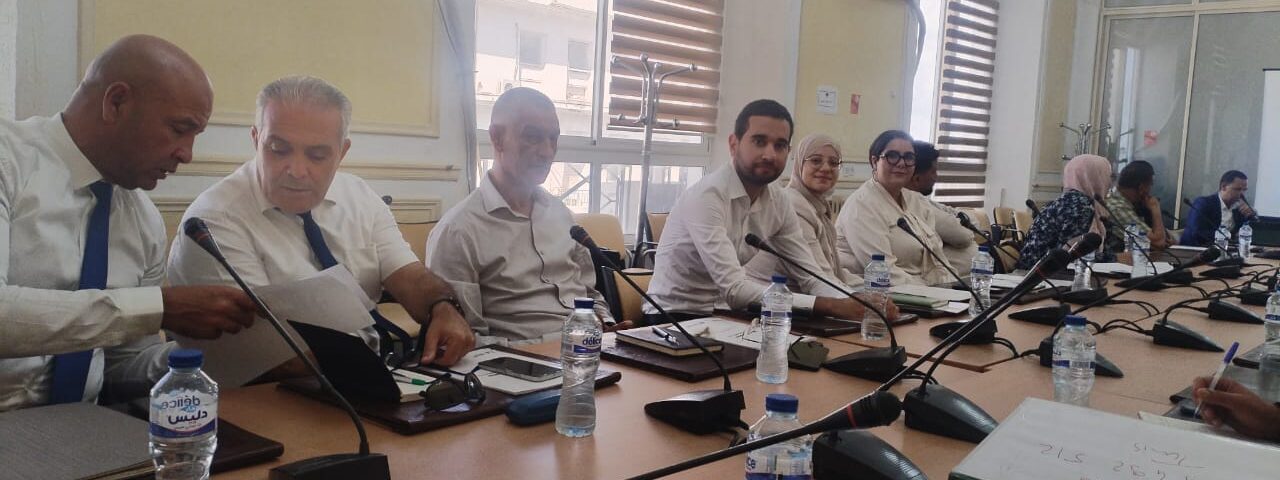
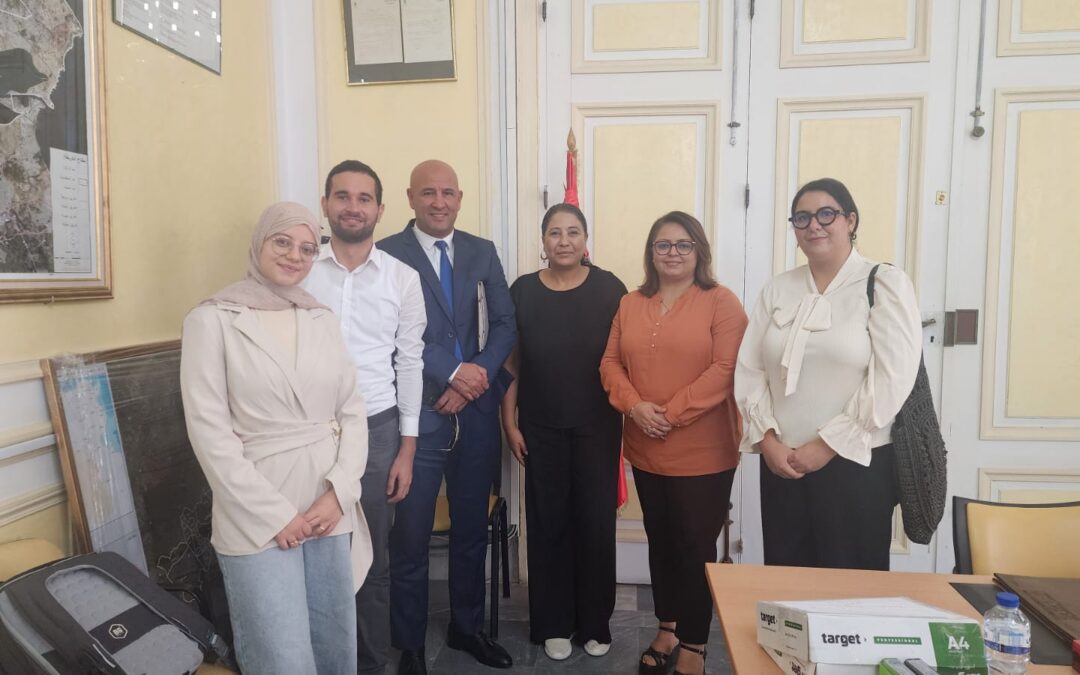
Their engagement has already moved beyond consultation. Youth advocates contributed to a national WHO campaign on road safety and held multiple engagements with the Road Safety Committee in the Governorate of Tunis. Most notably, they presented their Youth Action Plan to the Committee, positioning themselves as credible contributors to ongoing policy discussions.
The plan outlines a set of practical and scalable actions, including assessing risk in high-exposure areas for children and youth, co-designing community awareness initiatives, and advocating for stronger enforcement and infrastructure improvements. It also proposes pathways to institutionalise youth participation within the Committee, ensuring that young people are not only heard but have a sustained role in shaping safer urban environments.
This marks an important shift, from youth as beneficiaries of road safety interventions to youth as partners in governance.
As the project progresses, the Tunis experience is emerging as a strong example of how structured coaching, local partnerships, and clear policy entry points can translate youth engagement into meaningful influence, while offering valuable lessons for replication across Bogotá, Guadalajara, and Bandung.